



The Town of Frankford
The Town of Frankford, Delaware is located in Sussex County. It is approximately 10 miles west of the Atlantic coastline at Bethany Beach. According to 2010 U.S. Census Data on Frankford, the population is 847. It is a relatively young population and grew 18.6 percent from 2000 to 2010. There are 252 households in Frankford, and 152 of these households are owned by the occupants.
History Of Frankford
The area was populated as early as 1750 under the local name of Forest Flower. In 1775, it was deeded to a plantation in a land grant under the name of Partnership. It became known as Jacob’s Mill Pond around 1800. In 1808, the community became commonly known as Long’s Store on Vine’s Branch when plantation owner David Long constructed a country store at the location. Many people knew the area as Gum’s Store in 1812. This is presumably because the ownership of the store had changed, but the precise details are not clear. It became known as Frankford around 1820 and was officially given that name in 1848 when a post office was established at Frankford Village. The Town of Frankford became an incorporated municipality in 1337.
The arrival of the Pennsylvania Railroad heralded rapid growth in Frankford. A hotel opened, as did a local opera house, and Frankford became the center for business and cultural events in the area. Noteworthy sea captains made their homes in Frankford, and three of those homes are still in existence. In 1979, the Captain Ebe Townsend Chandler house was added to the National Register of Historic Places. It now operates as the Captain Chandler House Bed and Breakfast Inn.
Area Attractions
The Assawoman Bay State Wildlife Area, a popular destination for East Coast birdwatchers, is located seven miles east-southeast of Frankford. An observation tower and photography blind are located within the wildlife area, and loblolly pine forests make it a refuge for land birds as well as the expected waterfowl.
The Delaware Seashore State Park, nearly 3,000 acres of beaches and a barrier island, is located just 10 miles to the east of Frankford. The park is open to Delaware’s Atlantic Coast on the east and bounded by the bays of the Rehoboth and Indian Rivers to the west. It is a major attraction in the region and receives millions of visitors each year.
Frankford is also quite close to the Pocomoke State Forest. This forest, which has a plan to become a national model for certified sustainable forestry, is comprised of 17,676 acres of land that was once cleared for farming. The land was reacquired by the federal government during the Great Depression and deeded to Delaware in 1954. The park contains approximately five acres of old growth forest that had escaped felling when the area was farmed.
Furnace Repair and Service
We offer a range of services including furnace repair and installations, designed to help your HVAC equipment perform more efficiently. Whenever you're ready for a repair or installation, safety inspection or seasonal maintenance visit, our service techs are available on your schedule.
Air Conditioning Service In Frankford
Air conditioning service in Frankford is probably an afterthought for most residents. The region is not known for uncomfortably hot summers. Delaware averages almost 100 days per year with temperatures below freezing and only 20 days with temperatures of 90 degrees or higher. However, 2012 was the hottest overall year on record for Delaware, and 2010 was the hottest summer on record. The average temperature for the summer of 2010 was 78.1 degrees Fahrenheit.
If you need air conditioning repairs, Custom Mechanical stands ready to deliver. They have a fleet of more than 20 vehicles and offer heating, plumbing, and carpentry work in addition to their cooling service. Custom Mechanical is a family owned and operated business and has been providing fast, reliable service to customers for over 30 years.
Recent Jobs and Reviews in Frankford, DE
Frankford, DE at a glance
Custom Mechanical has completed 20 jobs in Frankford, DE in October 2026.
The most recent job was on October 23, 2026.
Custom Mechanical has completed 249 jobs in Frankford, DE in the last 12 months.
Job Locations and Reviews
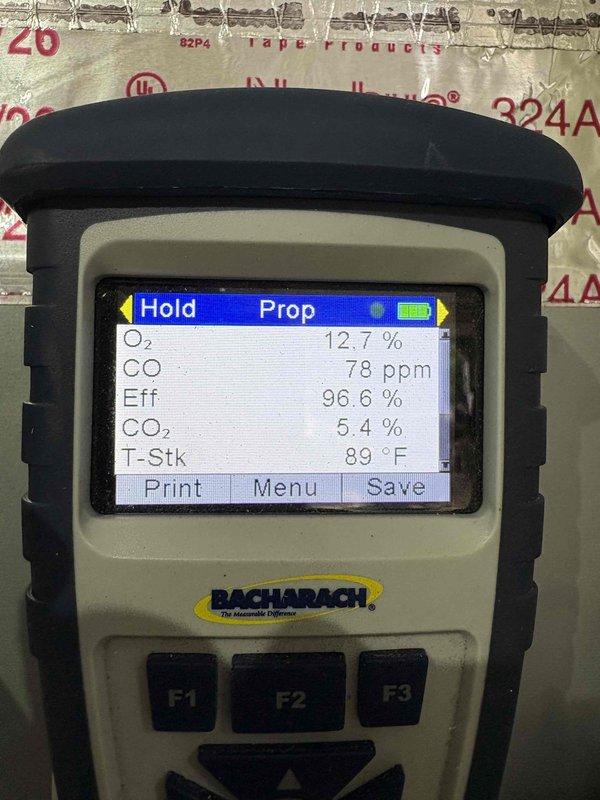
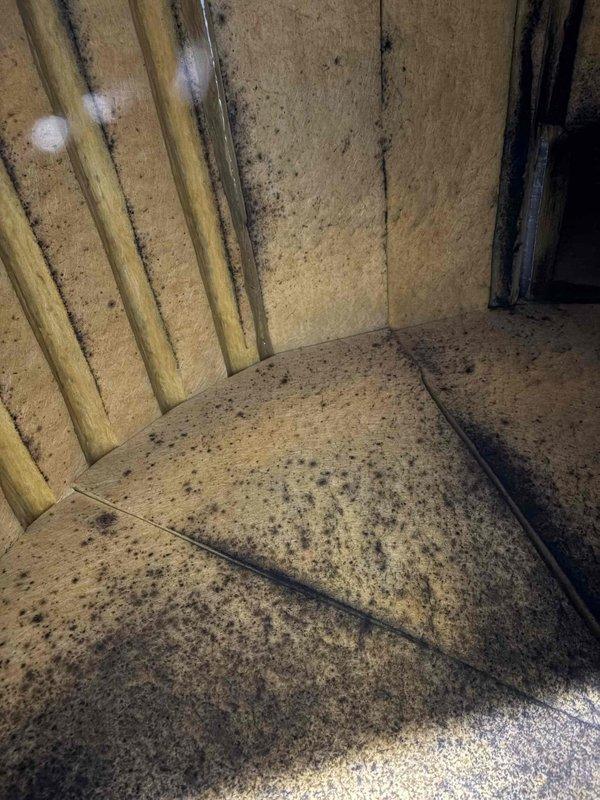

Performed an indoor air quality inspection in response to a musty odor near the water heater, evaluating the condensate drain line for blockage and verifying heating system operation. Combustion analysis in heating mode returned O₂ 12.7%, CO 78 ppm, CO₂ 5.4%, 96.6% efficiency, and 89°F stack temperature, confirming the system is operating properly. Inspection of the duct/plenum interior revealed heavy microbial growth on the fibrous insulation board, indicating a likely source of the odor and a need for remediation.
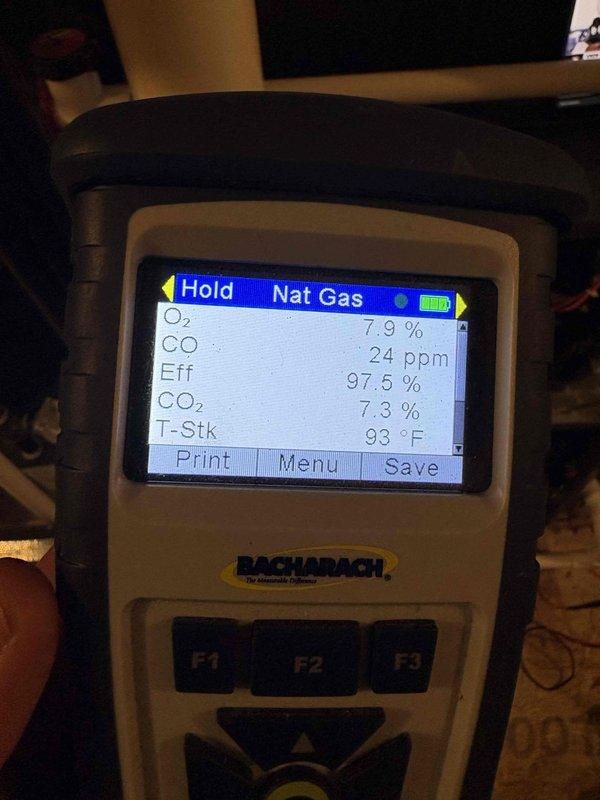
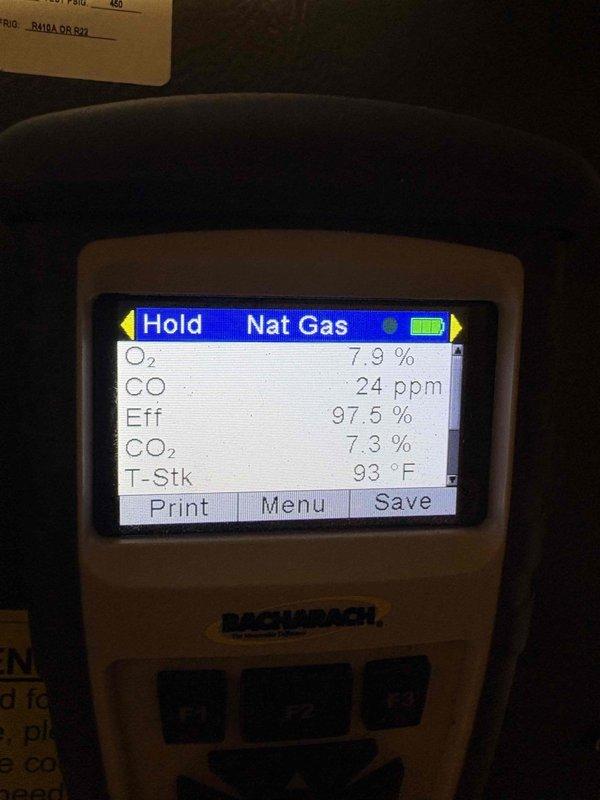
Performed scheduled heating maintenance on a natural gas furnace, including a combustion analysis with a calibrated flue gas analyzer. Readings were within acceptable limits: O2 7.9%, CO2 7.3%, CO 24 ppm, stack temperature 93°F, and combustion efficiency 97.5%, confirming safe and efficient operation. The system was left operating properly.
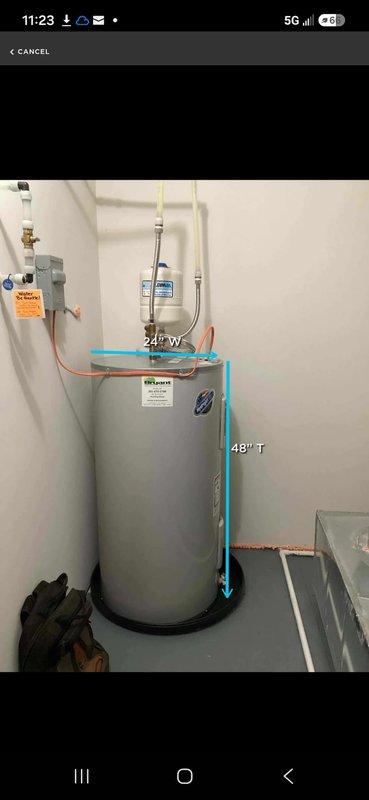

Performed scheduled heating maintenance visit on the system, inspecting the equipment in the utility closet and verifying proper installation of the water heater, including the drain pan and the expansion tank with flexible stainless connectors. Documented unit and clearance dimensions (approximately 24" W x 48" T) and confirmed associated piping and electrical connections were in serviceable condition.
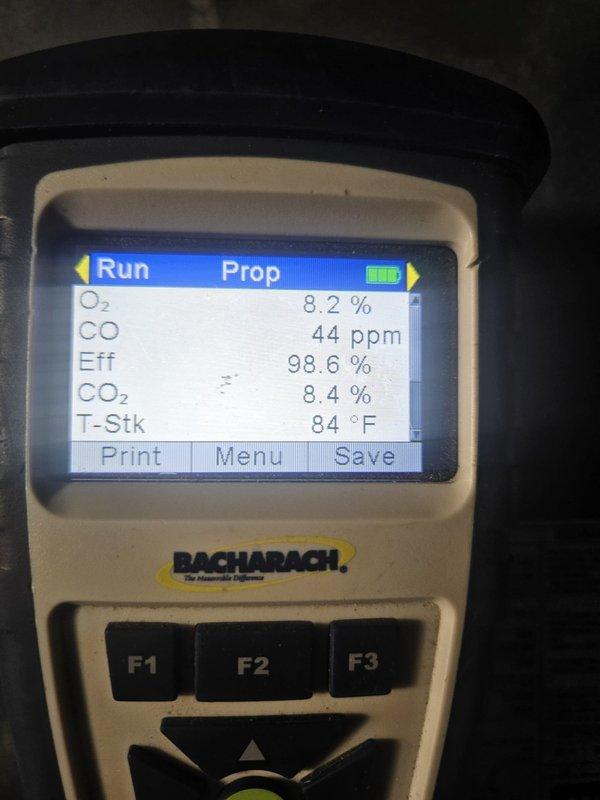

Performed a scheduled seasonal heating maintenance visit on the propane-fired system. Conducted combustion analysis with a Bacharach analyzer, recording O₂ at 8.2%, CO at 44 ppm, CO₂ at 8.4%, and stack temperature of 84°F, and documented the results for the maintenance record. Combustion readings indicate the unit is operating with acceptable CO levels, though the elevated excess air and low stack temperature warrant monitoring at the next visit.
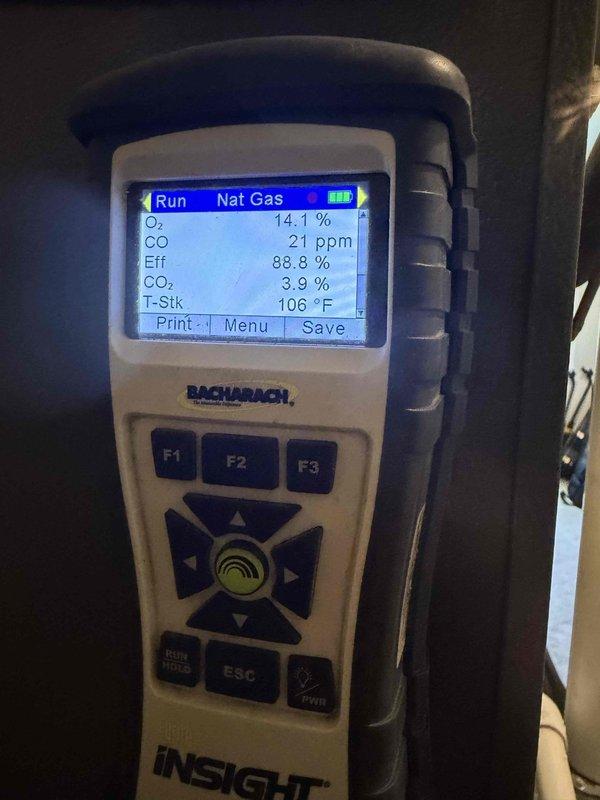

Performed seasonal heating system inspection and operational check on two heating systems, including a tankless water heater. Conducted combustion analysis on natural gas-fired equipment using a Bacharach Insight analyzer, recording O₂ at 14.1%, CO at 21 ppm, CO₂ at 3.9%, stack temperature of 106°F, and combustion efficiency of 88.8%. Verified safe CO levels and proper operation of both units.
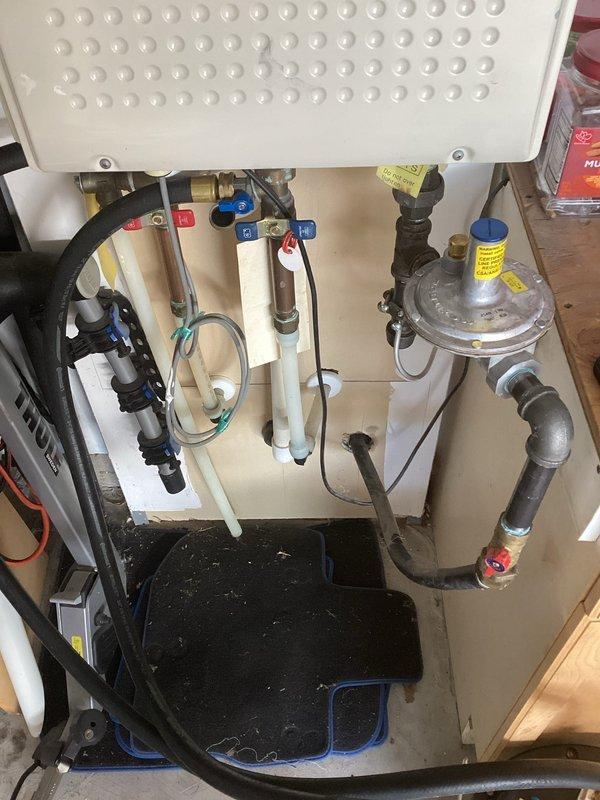
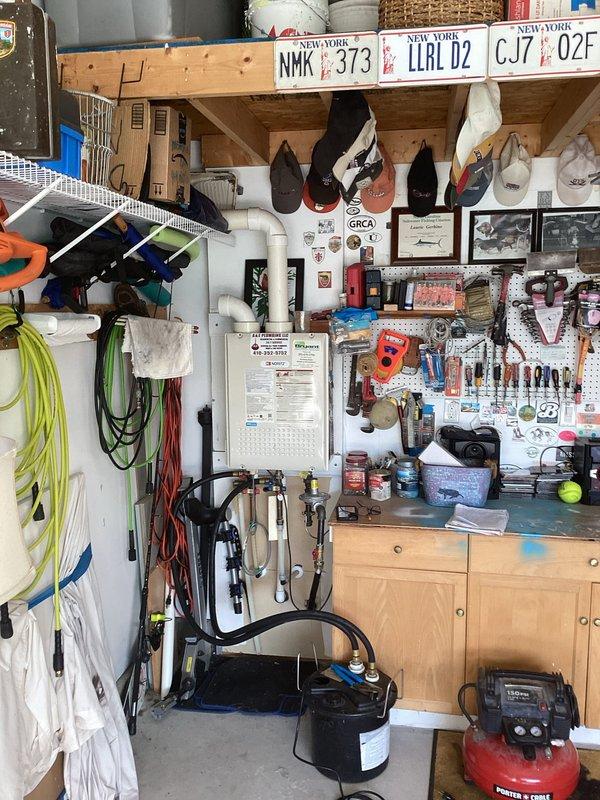

Performed annual maintenance on a wall-mounted tankless water heater, including a heat check and a descaling flush using a recirculation setup with isolation valves and a bucket. Inspected the water and gas connections, regulator, shutoff valves, and venting, and found no leaks, corrosion, or visible defects.
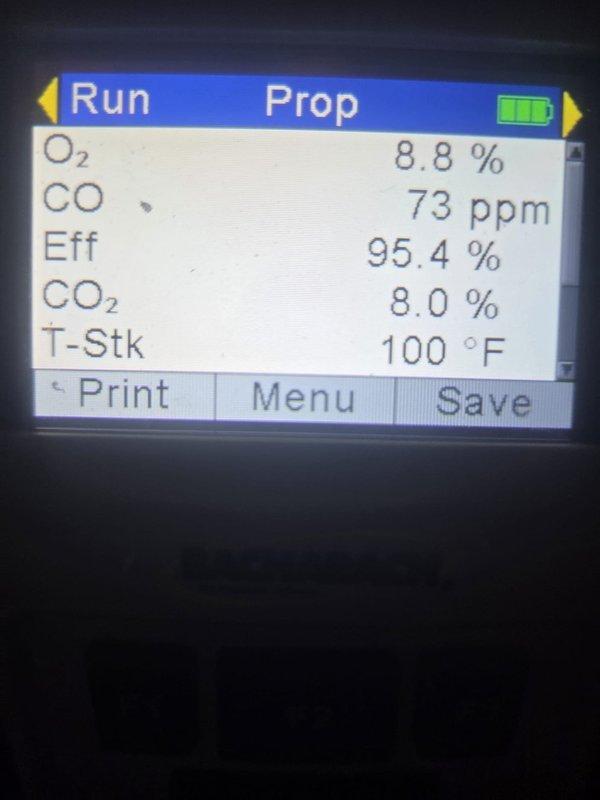

Performed scheduled heating maintenance on the tankless water heater and heating system, completing combustion analysis with a calibrated analyzer on propane. Readings recorded: O₂ 8.8%, CO 73 ppm, CO₂ 8.0%, stack temperature 100°F, and combustion efficiency 95.4%, confirming the appliance is operating within acceptable parameters.
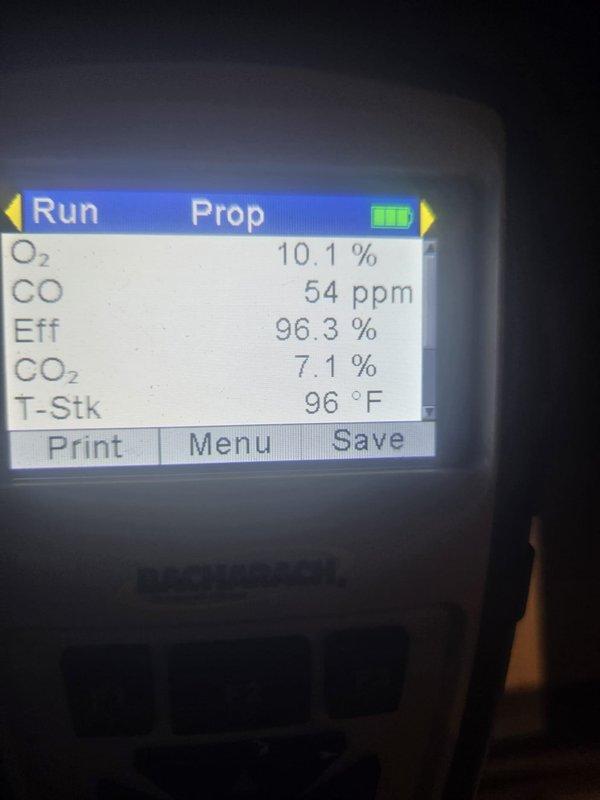
Performed a tune-up and inspection on one HVAC system, including a tankless water heater inspection. Combustion analysis was conducted with an electronic analyzer, recording O₂ at 10.1%, CO at 54 ppm, CO₂ at 7.1%, stack temperature of 96°F, and combustion efficiency of 96.3%. System operation was verified and the equipment was left in working condition.
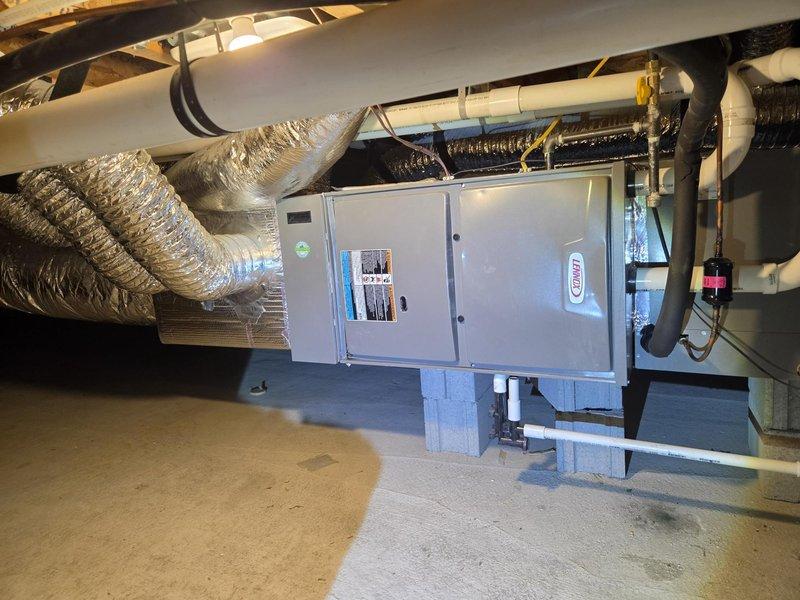
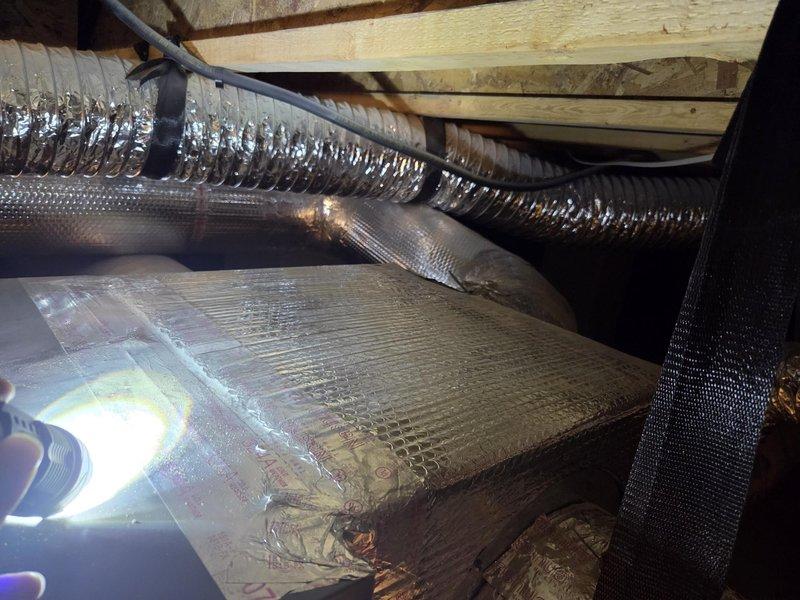

Performed an IAQ estimate for installation of a crawl space dehumidifier in a roughly 3-year-old home with no existing unit. Inspected the horizontally mounted Lennox air handler, insulated flex ductwork, foil-wrapped plenum, refrigerant lines, and PVC condensate drain, and found no visible frost, rust, or damage. Reviewed crawl space dehumidification and whole-home air purification options, including solutions comparable to the customer's current APCO RT system, to support a proposal.
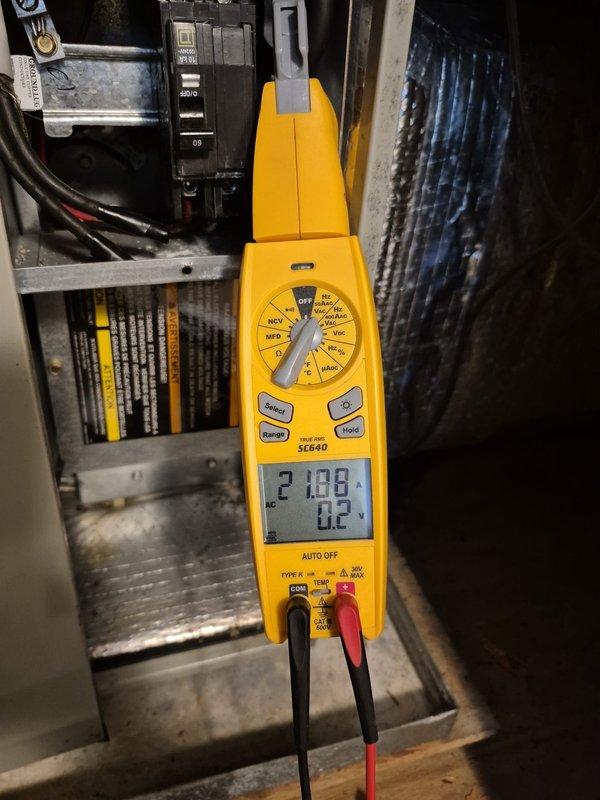
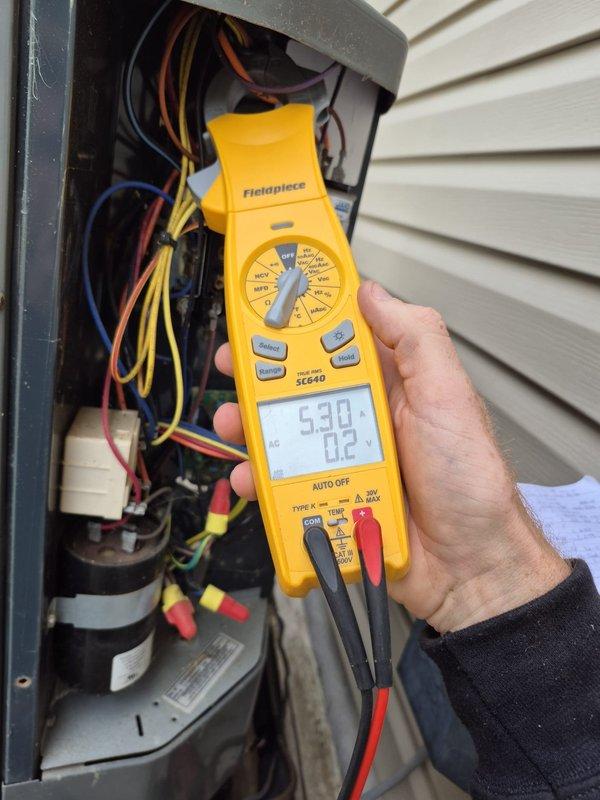

Performed seasonal heating maintenance on an 11-year-old heat pump system, inspecting the outdoor condensing unit's electrical compartment, contactor, capacitor, and wiring connections. Measured amperage draw with a clamp meter at both the air handler (21.88 A) and the condensing unit (5.30 A) to verify electrical components were operating within normal parameters. System confirmed operational and ready for heating season.
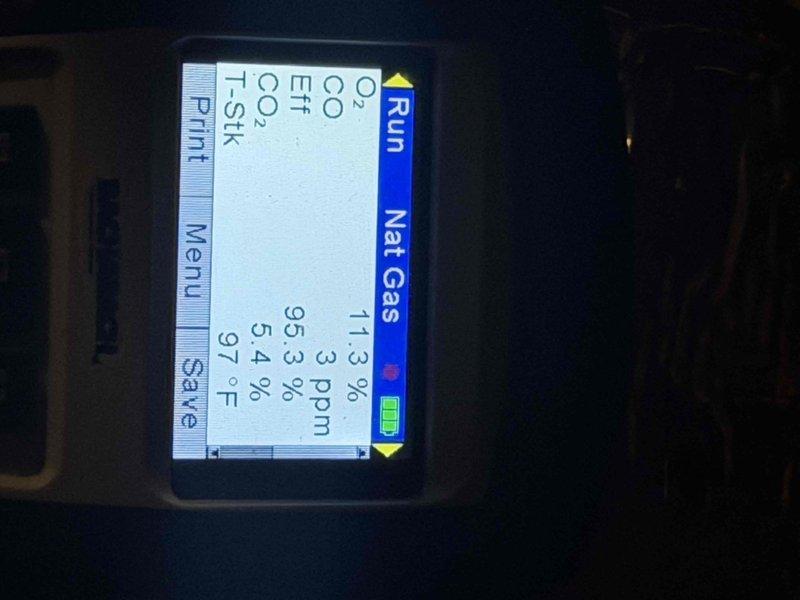
Performed scheduled heating maintenance on the natural gas furnace and conducted a combustion analysis at steady-state operation. Readings were within normal parameters: O₂ 11.3%, CO 3 ppm, CO₂ 5.4%, stack temperature 97°F, and combustion efficiency 95.3%, confirming safe, efficient operation.
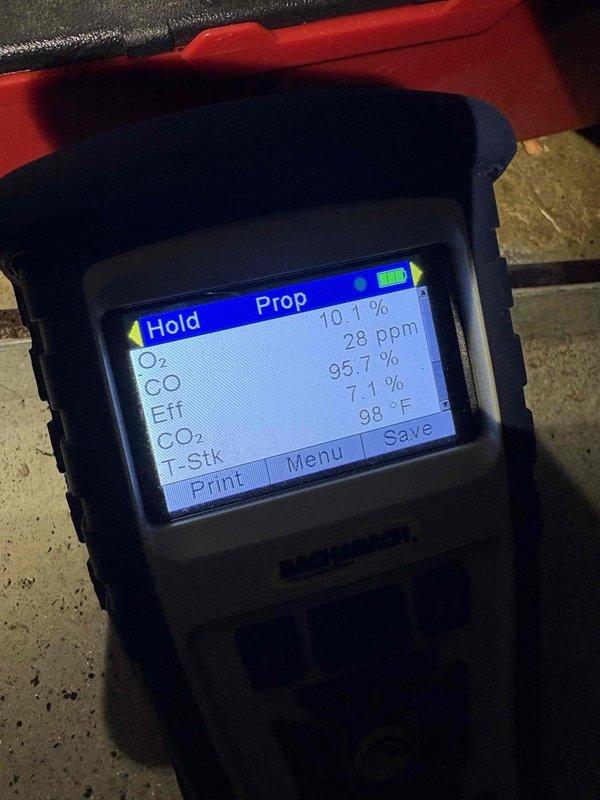
Performed annual maintenance on the heating system, including a combustion analysis with a Bacharach analyzer to verify safe and efficient operation. Readings recorded were O2 at 10.1%, CO at 28 ppm, and stack temperature of 98°F, with CO within acceptable limits.
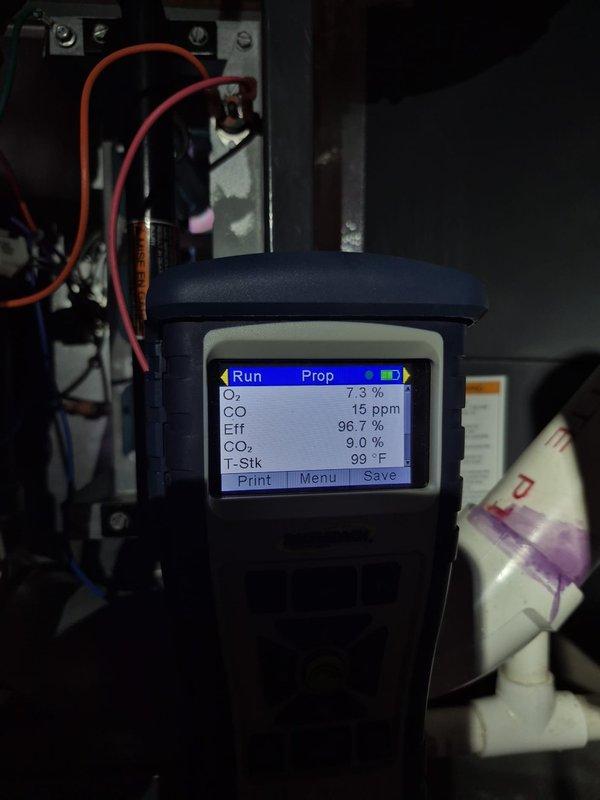
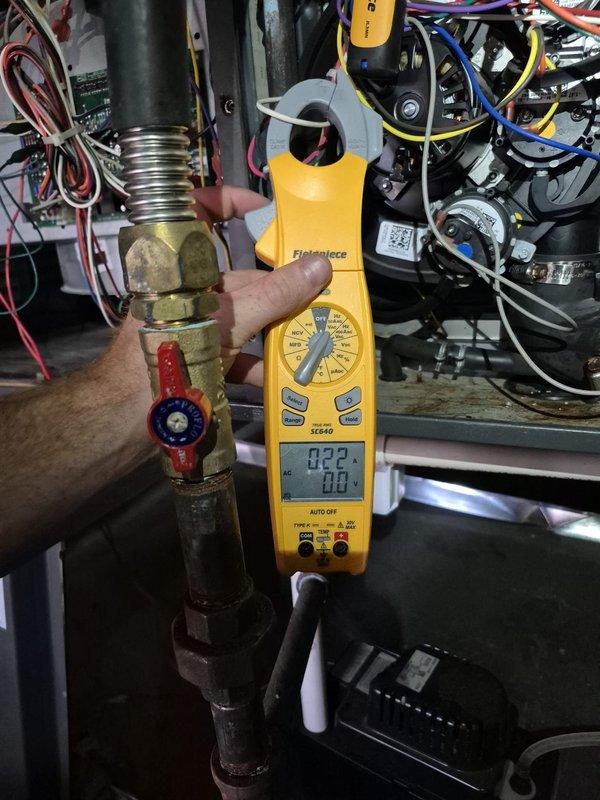
Performed heating system maintenance and verified safe, efficient operation. Combustion analysis on the gas furnace showed O₂ at 7.3%, CO at 15 ppm, CO₂ at 9.0%, stack temperature of 99°F, and 96.7% efficiency, all within normal parameters. Measured current draw at the gas supply line with a clamp meter and inspected the inducer motor, control board wiring, and condensate drain piping to confirm proper system function.
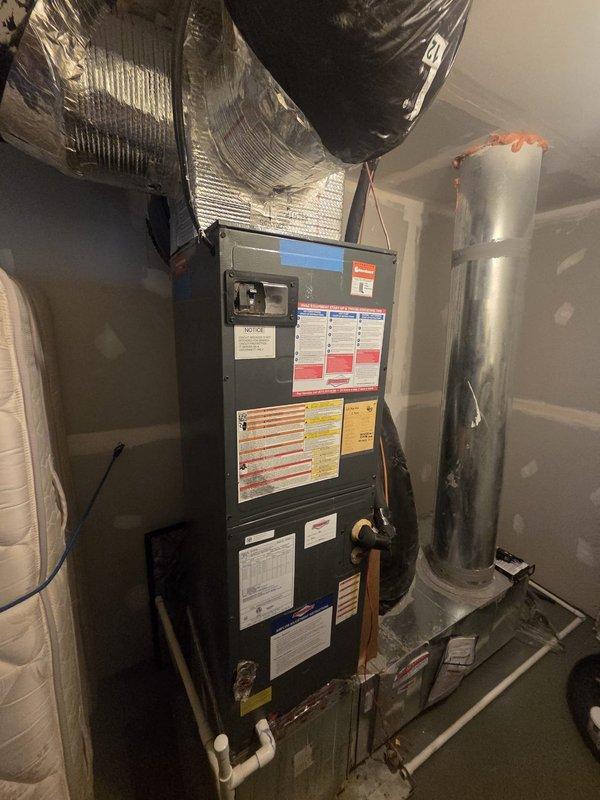
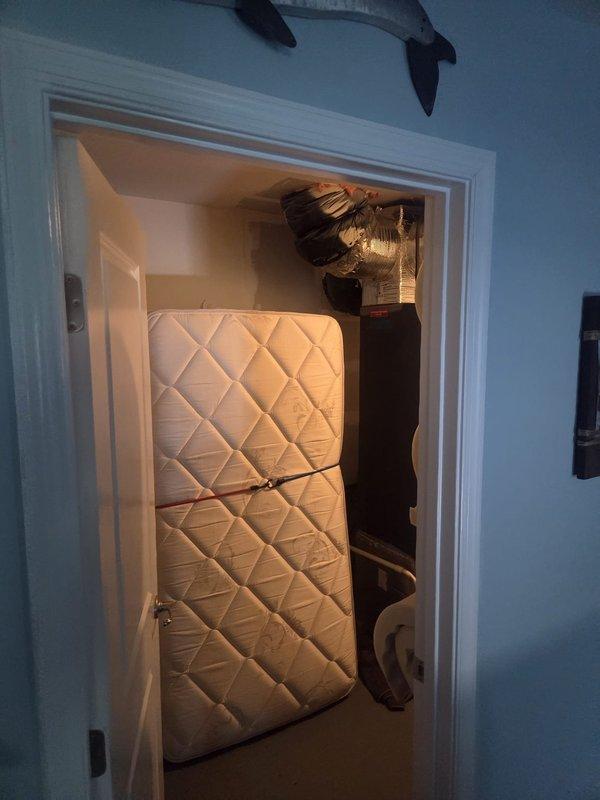

Performed scheduled seasonal heating maintenance on a vertical air handler located in an interior utility closet, inspecting the cabinet, supply plenum, and flexible ductwork connections and verifying the condensate drain piping and sealed duct joints. Access to the unit was limited by stored items in the closet, and the system was cleared for operation with no deficiencies noted.
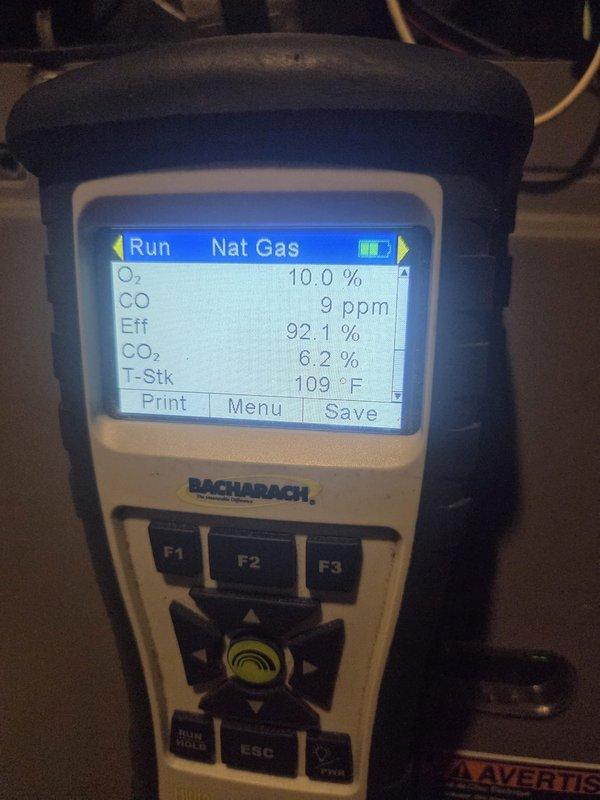
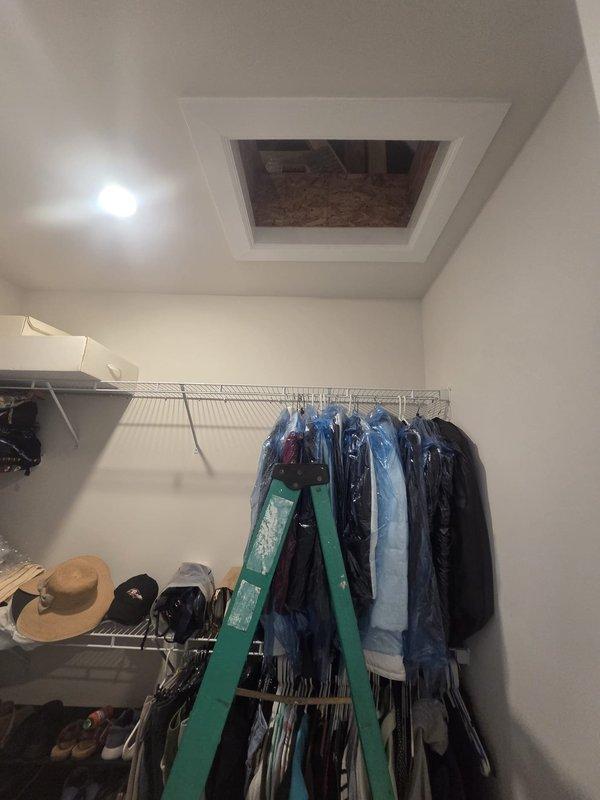
Performed a tune-up and heating inspection on one system, including a combustion analysis on the natural gas furnace that showed 9 ppm CO, 92.1% efficiency, 6.2% CO₂, 10.0% O₂, and a 109°F stack temperature, all within normal operating range. Accessed the attic through the closet hatch to inspect the system and verify proper operation.
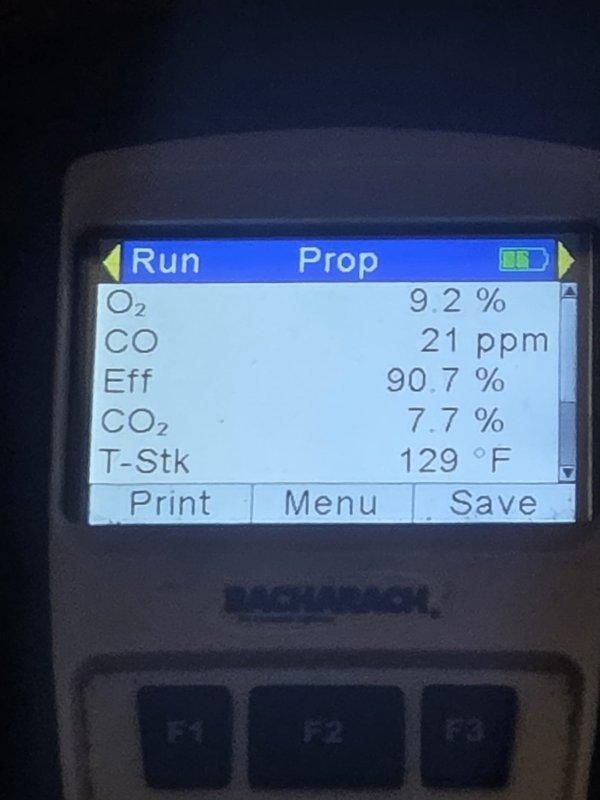
Performed scheduled heating maintenance on the propane-fired system, including a combustion analysis with a calibrated analyzer. Readings at the flue were O₂ 9.2%, CO₂ 7.7%, CO 21 ppm, stack temperature 129°F, and steady-state efficiency 90.7%, indicating safe, within-spec combustion and normal heat exchanger performance. System operated properly at completion with no abnormal conditions noted.
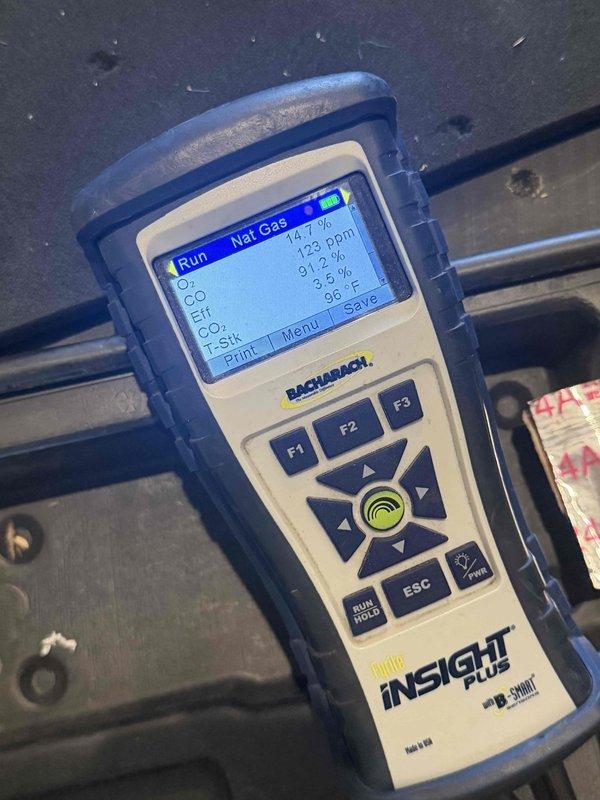
Performed scheduled heating maintenance visit and conducted comprehensive combustion analysis using Bacharach Insight Plus analyzer. Tested natural gas combustion efficiency, measuring oxygen levels, carbon monoxide output, methane content, and CO2 levels to ensure optimal system performance and safe operation. All readings confirmed proper burner operation with efficiency at 91.2% and acceptable emissions levels, verifying the heating system is functioning within manufacturer specifications and safety standards.
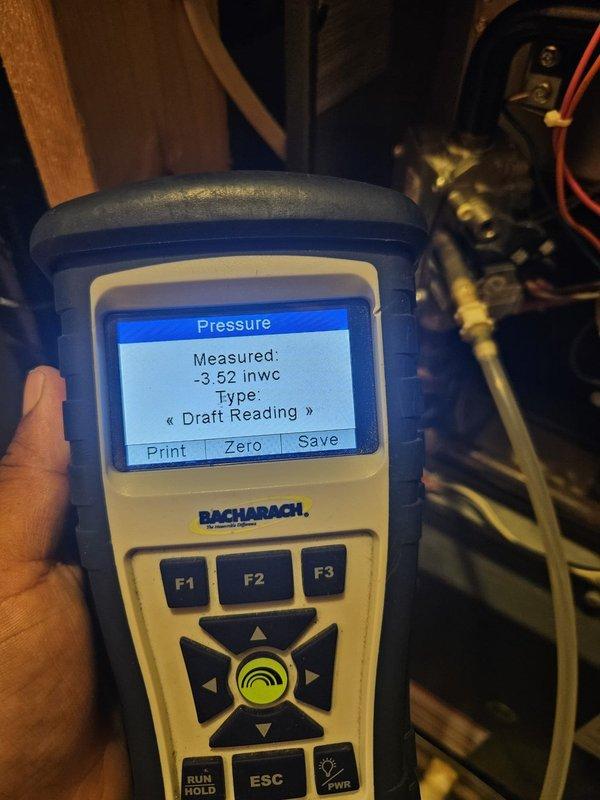
Completed preventive maintenance heating visit on two systems. Performed draft pressure diagnostics using Bacharach combustion analyzer, recording -3.52 inches water column draft reading to verify proper venting operation and system safety parameters.
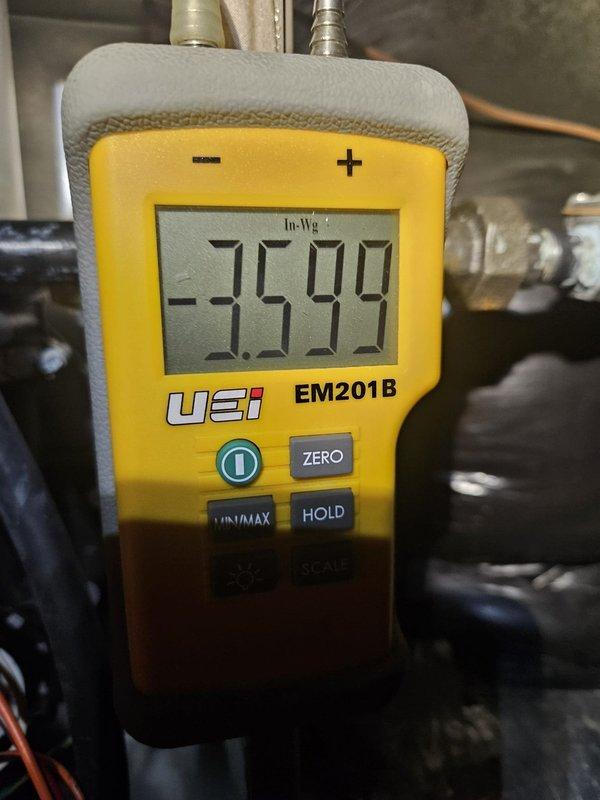
Completed comprehensive heating maintenance visit on first of two tankless water heater systems. Performed diagnostic pressure testing using calibrated digital manometer, recording gas pressure readings of -35.99 inches water column to verify proper system operation and combustion efficiency. Conducted thorough inspection of heating system components, gas connections, and associated piping infrastructure to ensure safe and optimal performance for the heating season.
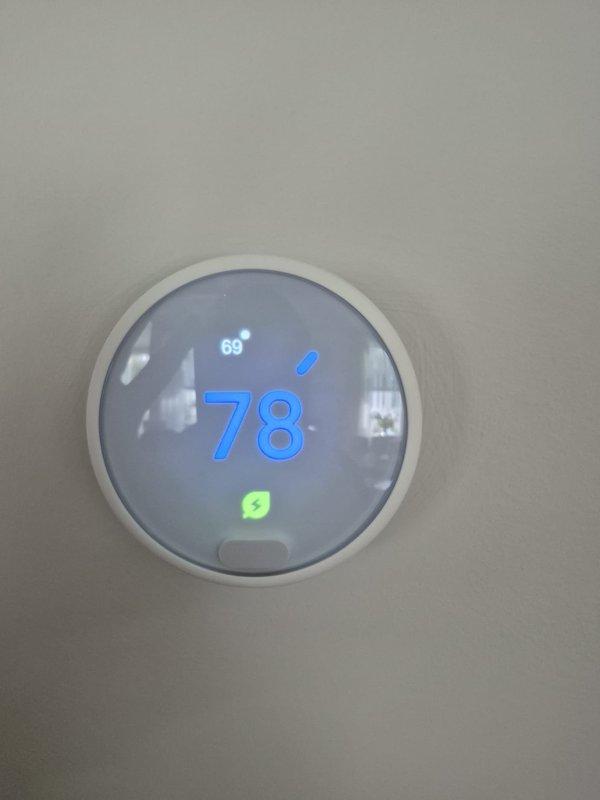
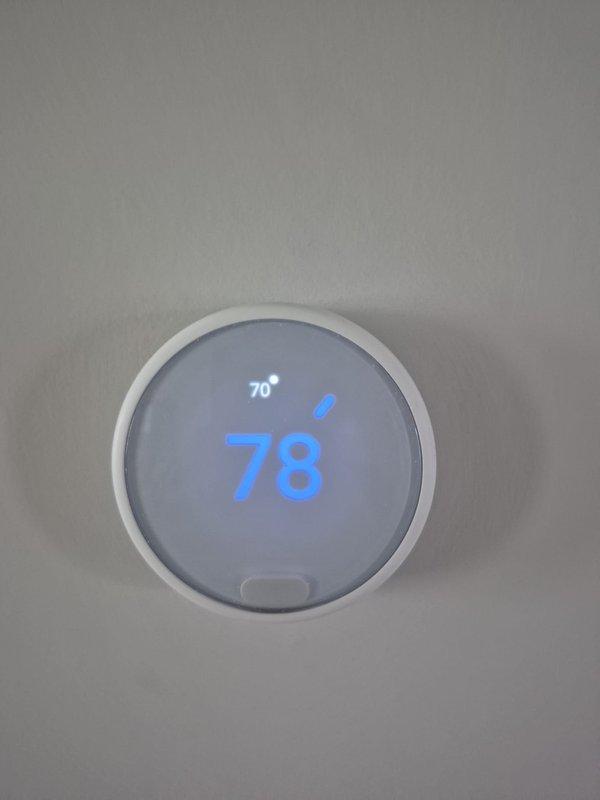
Completed scheduled heating system maintenance visit and verified proper operation of HVAC system. Tested smart thermostat functionality, confirmed accurate temperature readings and system response, with unit maintaining setpoint of 78°F and displaying proper heating mode indicators. System operating within normal parameters with all controls responding appropriately.