



Ocean City, MD
From the inlet to 146th Street, Ocean City, MD, pushes residential HVAC systems to their absolute limits from June through September. Salt-laden ocean air, relentless heat and the constant demands of coastal living create a perfect storm for cooling system stress. Custom Mechanical has spent decades keeping Delmarva homes and properties comfortable, and we bring that deep regional expertise to every heating and air conditioning service call in Ocean City, MD. You can expect us to be fast, thorough and do it right the first time.
Don't Let a Broken AC System in Ocean City, MD, Steal Your Summer
There's a cruel irony to an air conditioner that picks the hottest week of the year to break down. In Ocean City, MD, where July temperatures regularly combine with humidity indexes that push the "feels like" reading past 105°F, a failed cooling system is a health concern. Custom Mechanical dispatches certified service technicians with fully stocked vehicles to tackle everything from blown capacitors and refrigerant leaks to compressor failures and frozen coils. We don't patch problems; we solve them, so Ocean City homeowners can stop sweating the small stuff and get back to enjoying the season.
Fight Back Against Salt Air With HVAC Maintenance in Ocean City, MD
Ocean City's greatest asset, its location, is also your HVAC system's greatest adversary. Salt air accelerates corrosion on condenser coils, electrical contacts and refrigerant lines at a rate that inland homeowners never experience. Left unchecked, this kind of environmental wear quietly chips away at system efficiency, drives up energy costs and shortens equipment lifespan by years. Custom Mechanical's air conditioning service visits are specifically designed to address coastal wear, including thorough coil cleaning, corrosion inspections, electrical connection testing and refrigerant level verification.
Schedule a Whole-Home Heating and Air Conditioning Evaluation
Many Ocean City, MD, property owners, especially those managing vacation rentals or recently purchased homes, have no clear picture of the condition of their HVAC system. Aging equipment, mismatched components, undersized systems and deteriorating ductwork all contribute to comfort problems that aren't always obvious until something goes wrong at the worst possible moment. Custom Mechanical offers comprehensive heating and air conditioning evaluations that provide property owners with a complete, honest assessment of their system's current performance, efficiency and expected lifespan.
Need a heat pump repair or air conditioning installation? Call Custom Mechanical today for heating and air conditioning services in Ocean City, MD.
Recent Jobs and Reviews in Ocean City, MD
Ocean City, MD at a glance
Custom Mechanical has completed 20 jobs in Ocean City, MD between August 2026 and October 2026.
The most recent job was on October 21, 2026.
Custom Mechanical has completed 97 jobs in Ocean City, MD in the last 12 months.
Job Locations and Reviews
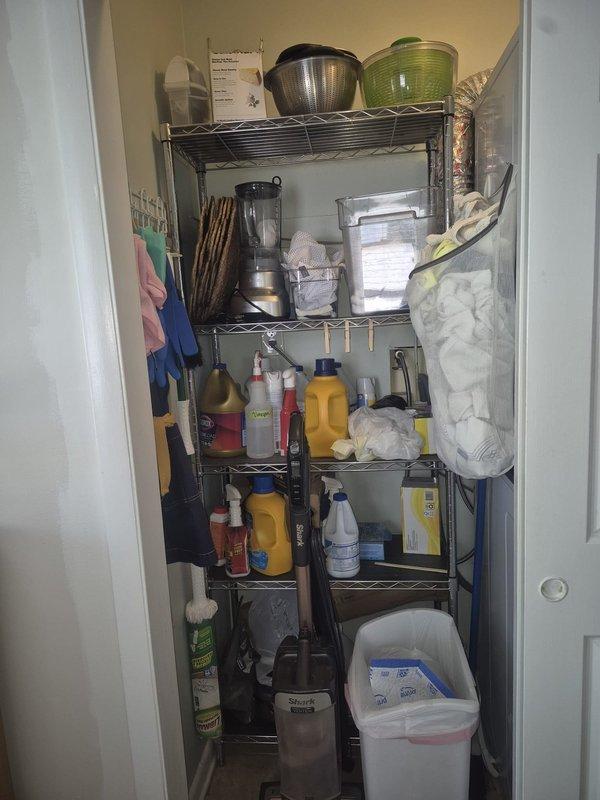
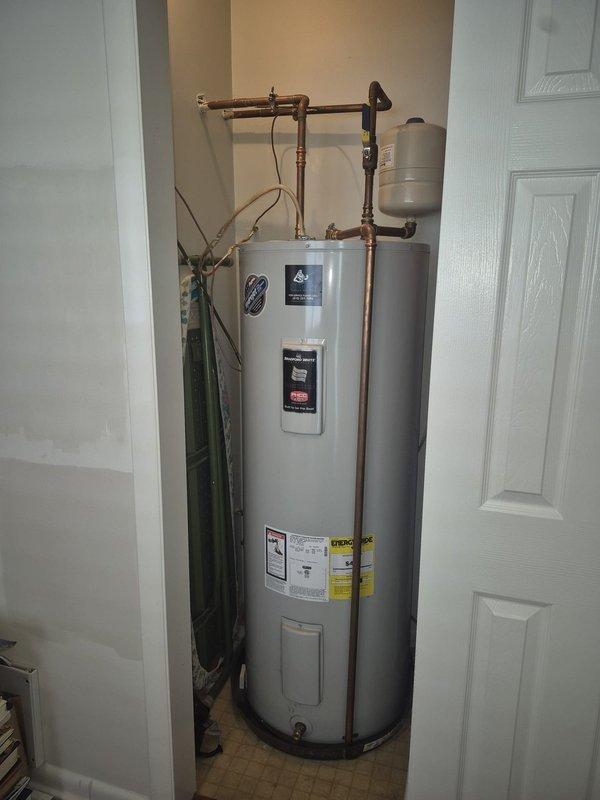

Assessed the existing electric water heater and its closet installation, including the copper supply piping, expansion tank, drain valve, and wiring, to estimate relocating the unit. Also evaluated the site for a possible tankless conversion and discussed options with the customer.
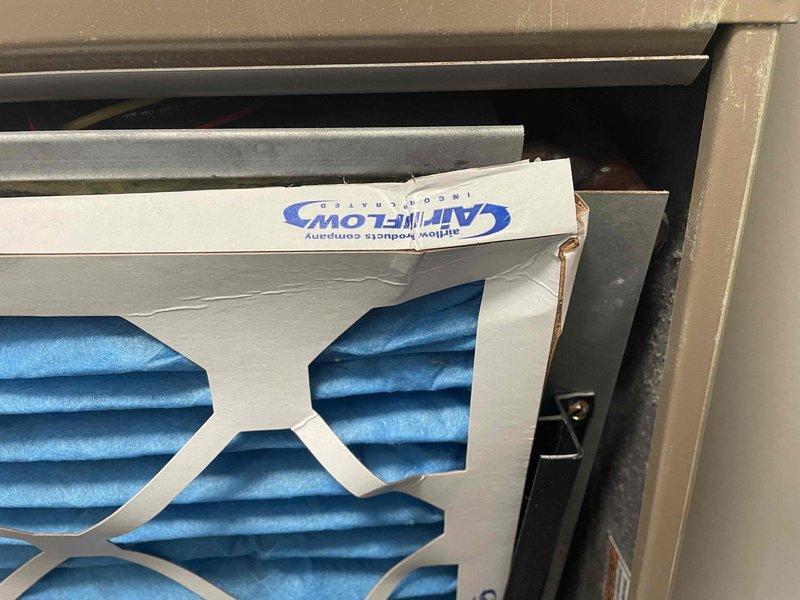
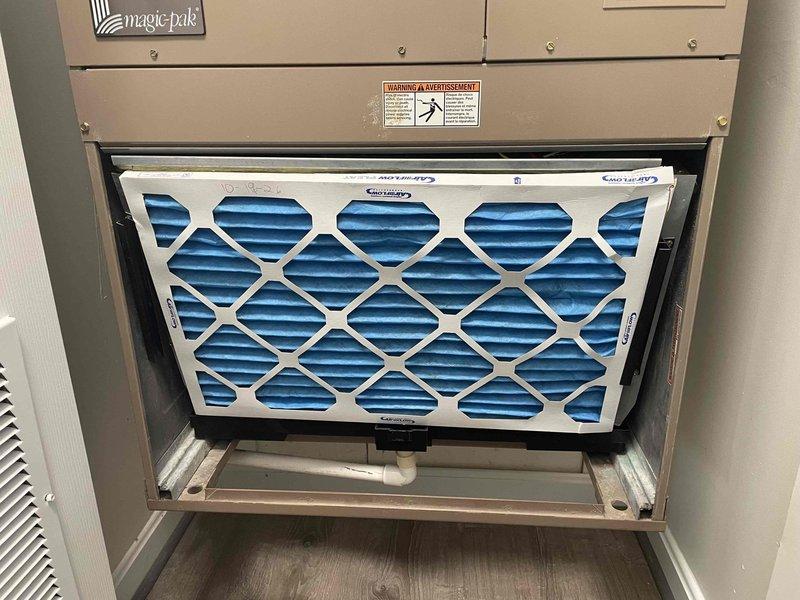

Performed scheduled heating system maintenance on a Magic-Pak packaged HVAC unit, including inspection of the return air filter and filter slot. Found the installed pleated filter with a damaged, creased cardboard frame, sitting askew and bowed in the slot with visible gaps along the edges, which allows unfiltered air bypass. Unit showed light dust and minor scuffing with no rust, ice, or frost, and the condensate drain line was intact. Recommend replacing with a properly sized, undamaged filter to ensure a proper seal and airflow.
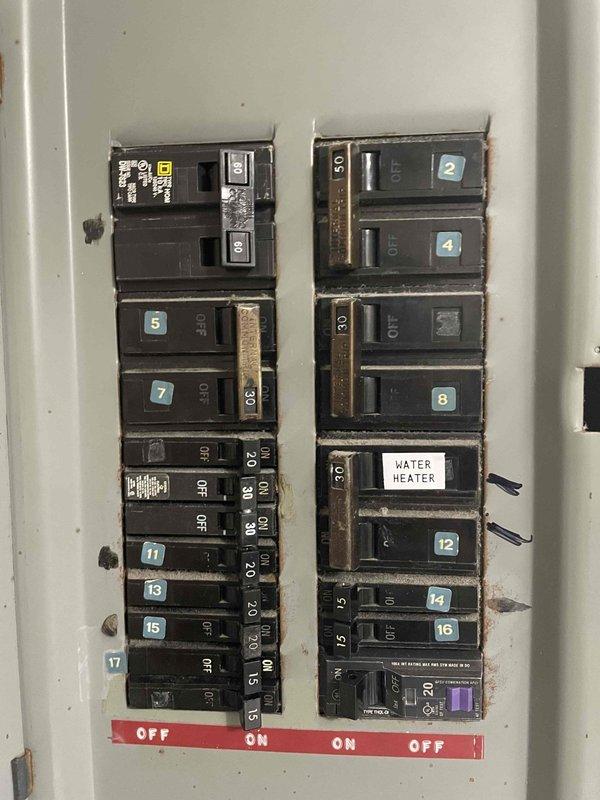
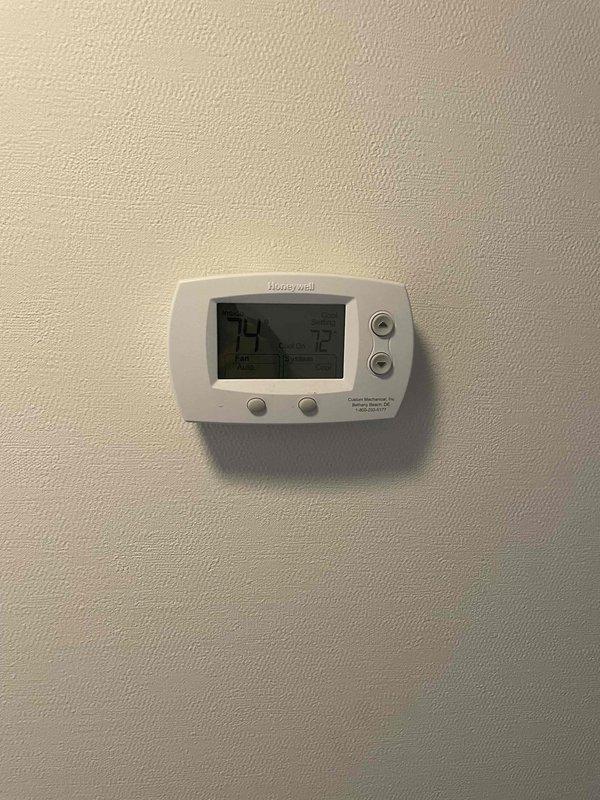
Performed a tune-up inspection on one HVAC system, including a heating and cooling operational check. Verified thermostat functionality, with the system responding properly in cooling mode and maintaining setpoint, and inspected the electrical service panel and breakers serving the equipment. Noted dust buildup, corrosion at the panel cover and screw heads, and loose hardware at the panel, which may warrant further evaluation.
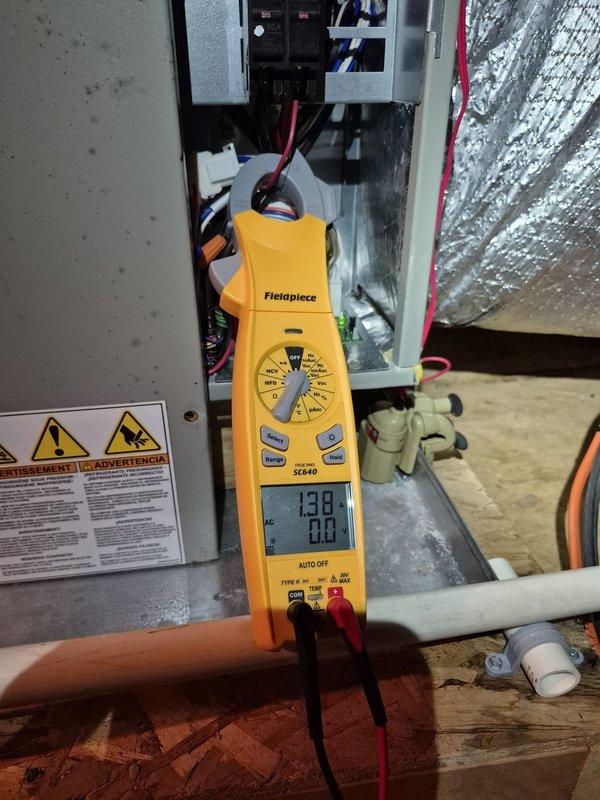
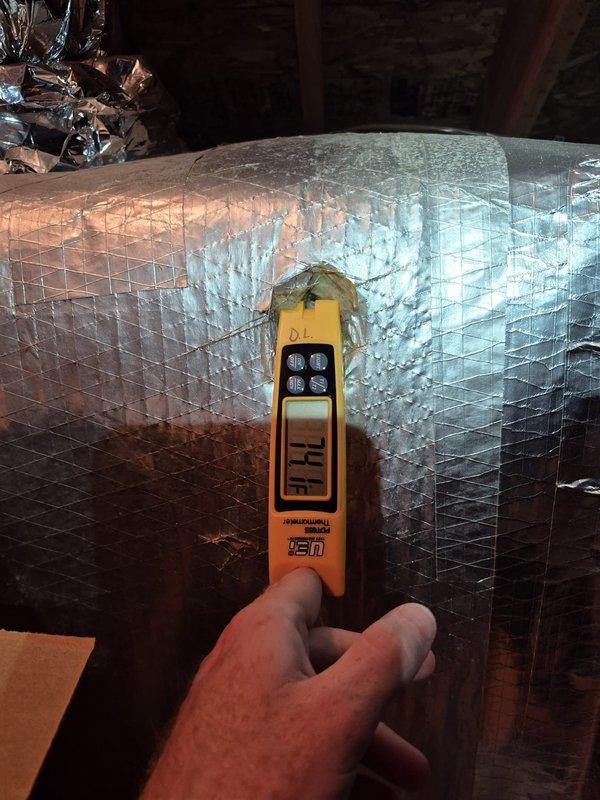

Performed a scheduled heating maintenance visit on the air handler, including inspection of the electrical compartment and measurement of blower circuit amperage with a clamp meter to verify normal operating draw. Checked supply duct discharge temperature at the foil-faced insulated trunk using a digital probe thermometer, recording 74.1°F, and inspected the condensate drain pan and PVC drain line for proper condition.
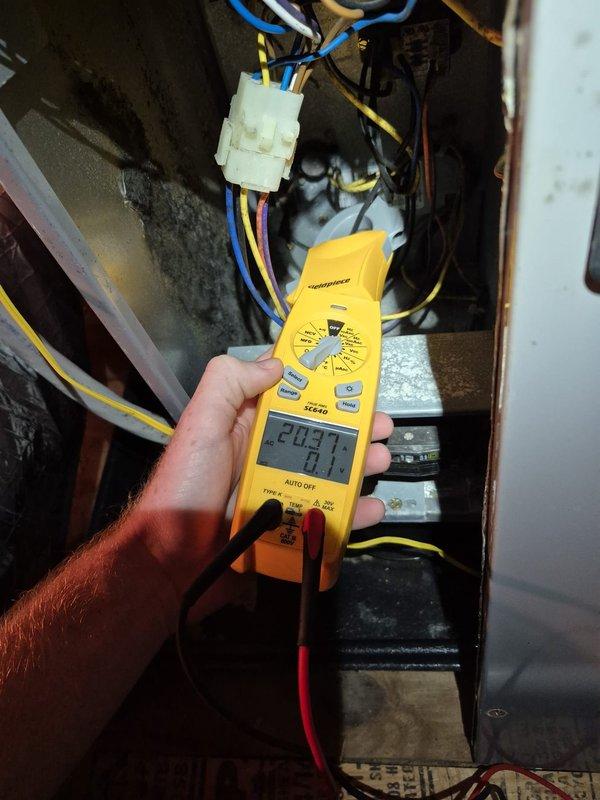
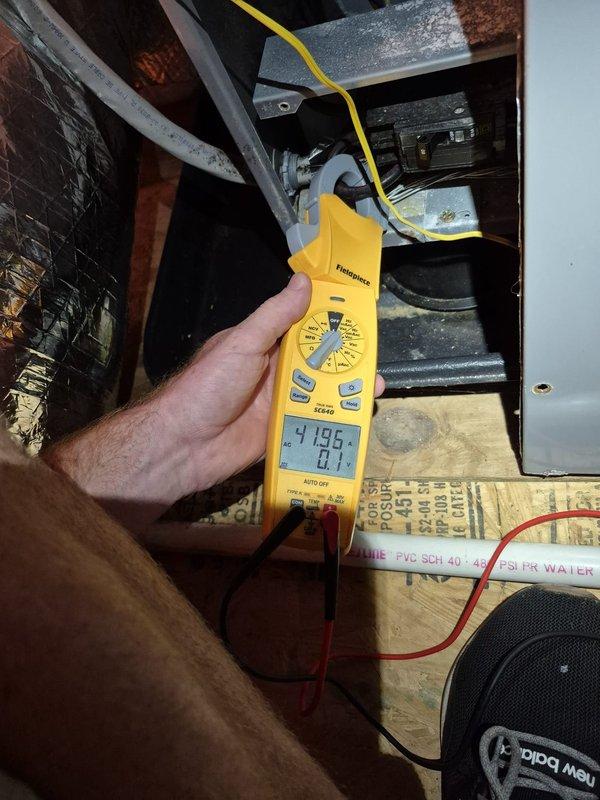
Performed scheduled heating maintenance on the system, including electrical testing of the control and power circuits using a clamp meter to measure amperage draw on the unit's wiring and components. Inspected the electrical compartment, wiring harness, and contactor/capacitor components, and checked the surrounding insulated ductwork and condensate PVC drain line in the attic space. System operation was verified, with no further issues noted at completion.
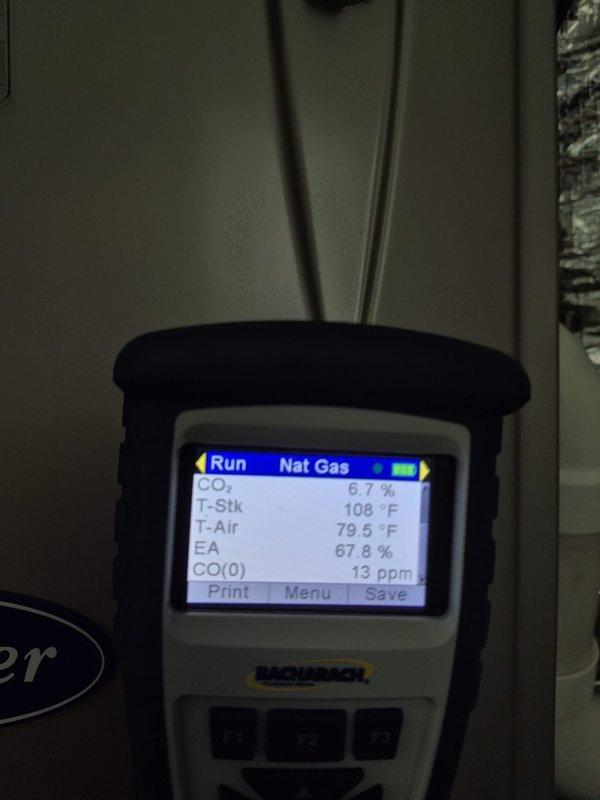
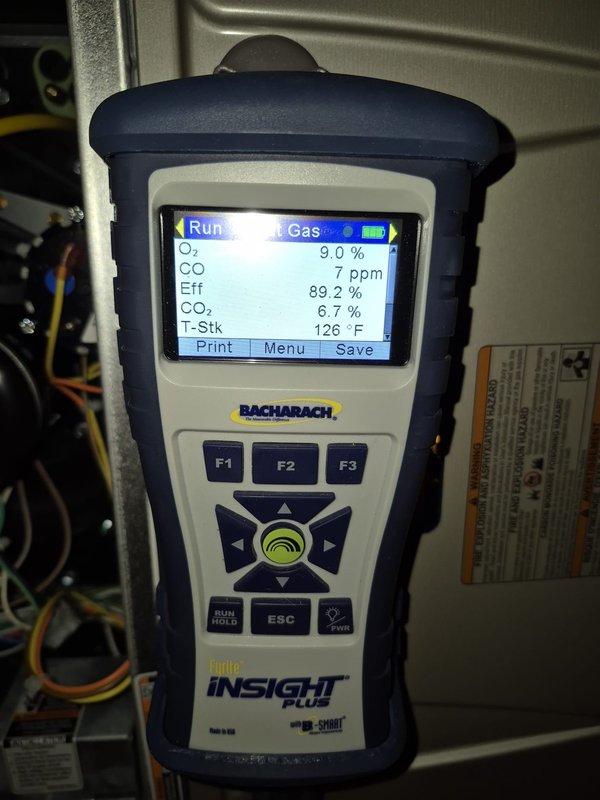
Performed scheduled heating maintenance visit on two HVAC systems. Conducted comprehensive combustion analysis on both units using digital gas analyzer. First system measured CO₂ at 6.7%, stack temperature at 108°F, ambient air at 79.5°F, excess air at 67.8%, and CO at 13 ppm. Second system readings showed O₂ at 9.0%, CO at 7 ppm, efficiency at 89.2%, CO₂ at 6.7%, and stack temperature at 126°F. All combustion parameters within acceptable ranges for natural gas heating equipment. Systems operating safely and efficiently with proper fuel-to-air ratios confirmed.
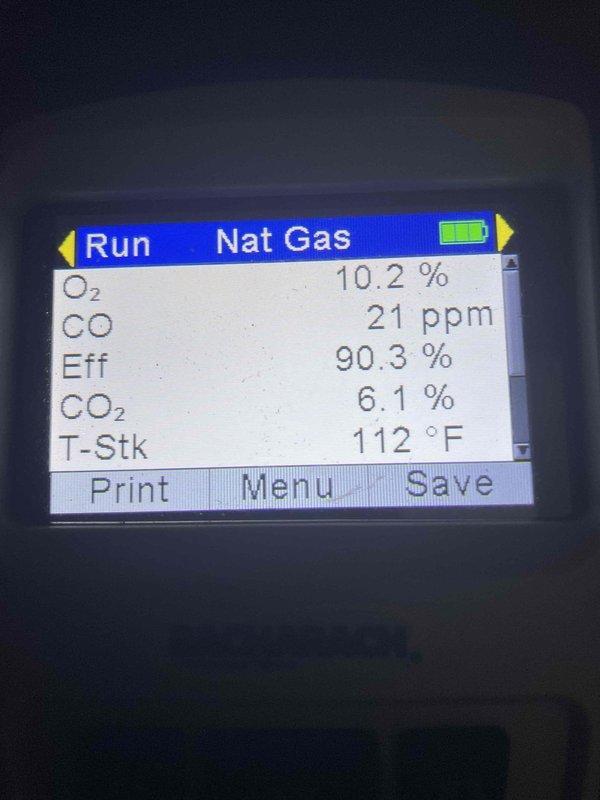
Performed heating system maintenance and operational check on natural gas furnace. Combustion analysis confirmed optimal performance with oxygen level at 10.2%, carbon monoxide at 21 ppm, efficiency at 90.3%, carbon dioxide at 6.1%, and stack temperature at 112°F, all within acceptable operating parameters.
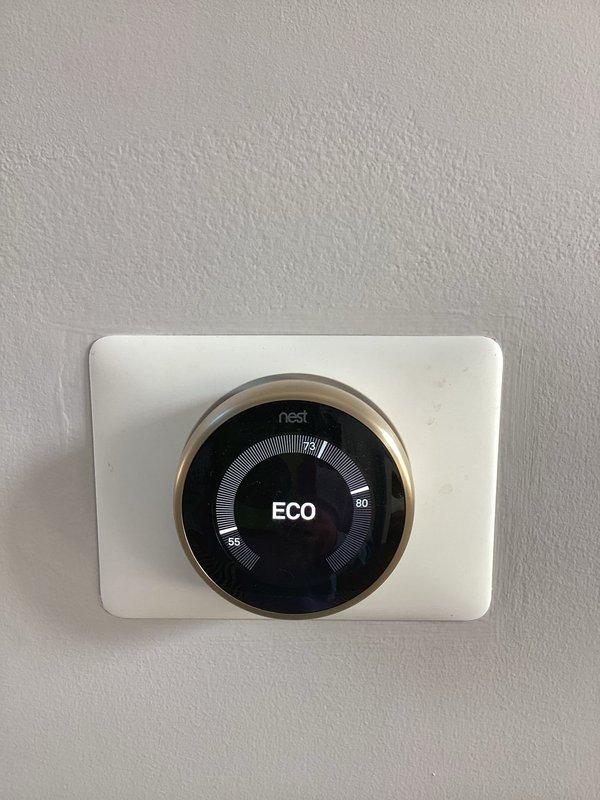
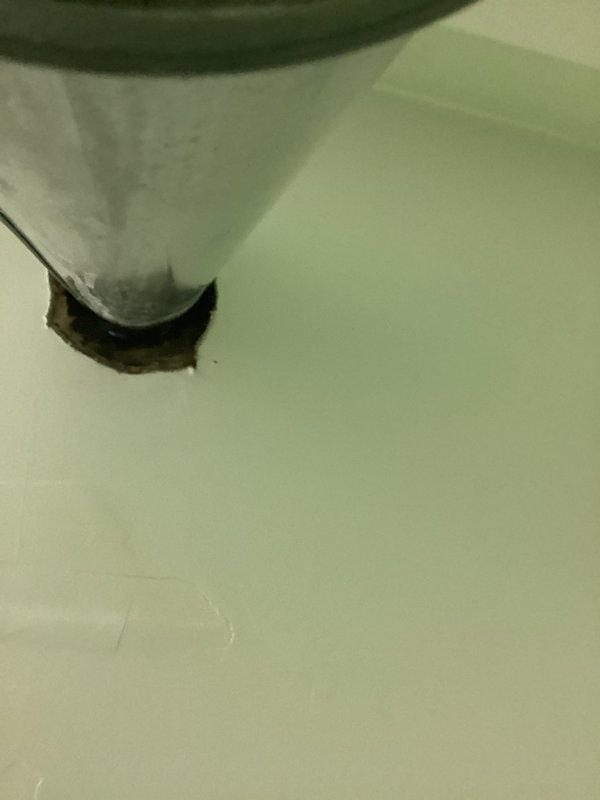
Responded to water leak complaint in upstairs closet suspected to be related to HVAC condensate drainage. Upon inspection, verified thermostat operation showing ECO mode and examined potential condensate line penetration point through ceiling. Documented system conditions with photos for further evaluation of drainage pathway and potential condensate backup issues.
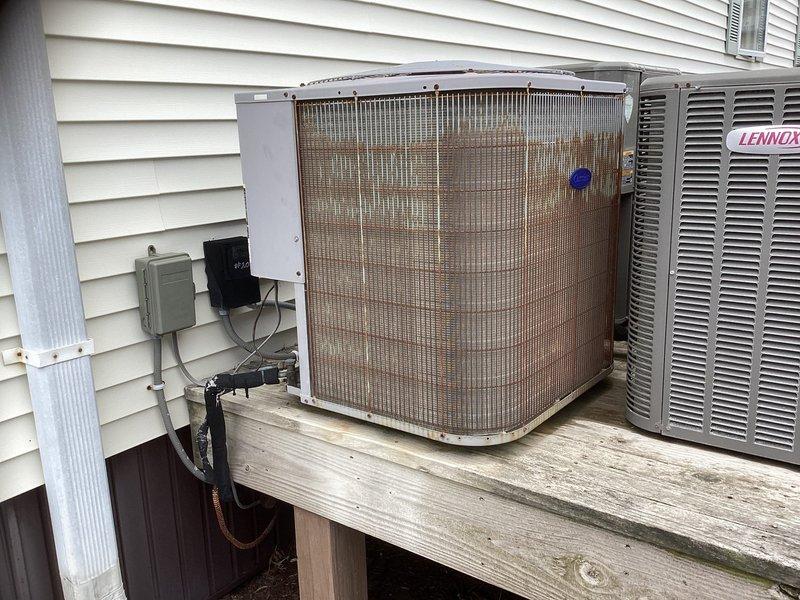
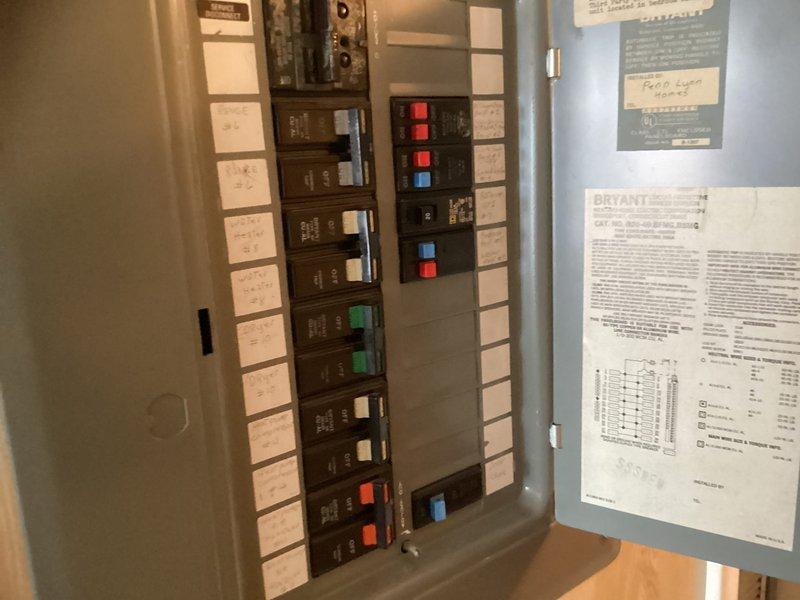

Conducted site evaluation for replacement of 1.5-ton HVAC system in third-floor residential unit. Assessed existing aging outdoor condensing unit showing significant weathering and deterioration, documented air handler location in hallway closet, and verified electrical panel capacity for new equipment installation. Provided comprehensive replacement estimate for complete system upgrade.
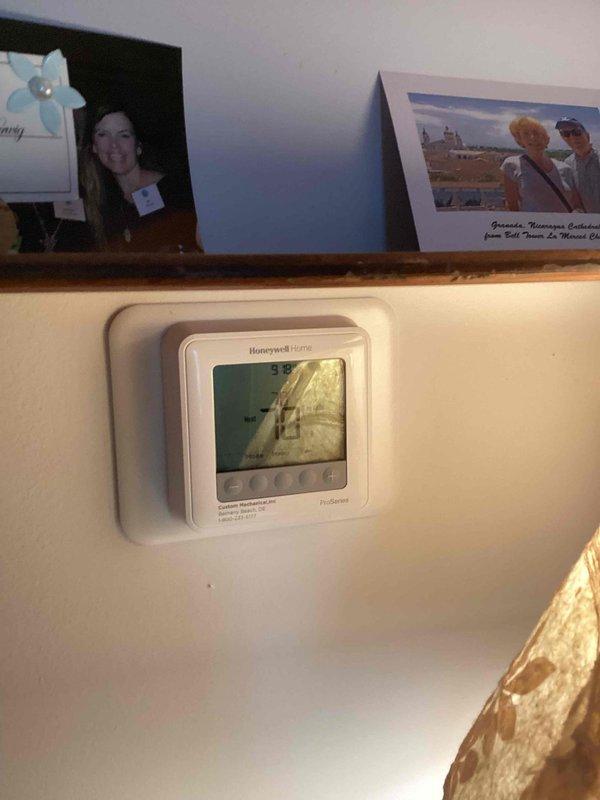
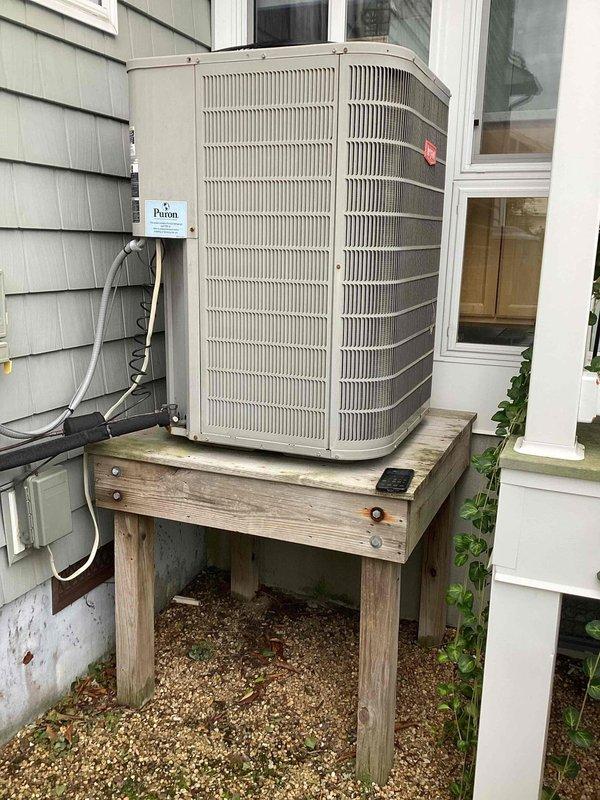
Completed routine heating maintenance visit and system heat check. Verified thermostat operation showing 58°F reading, inspected exterior HVAC unit and electrical connections, and confirmed all equipment functioning properly for the heating season.
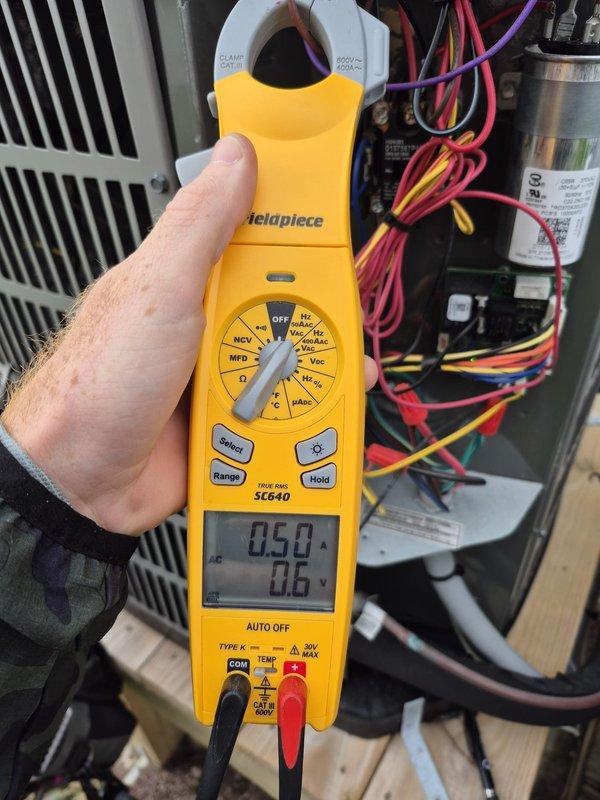
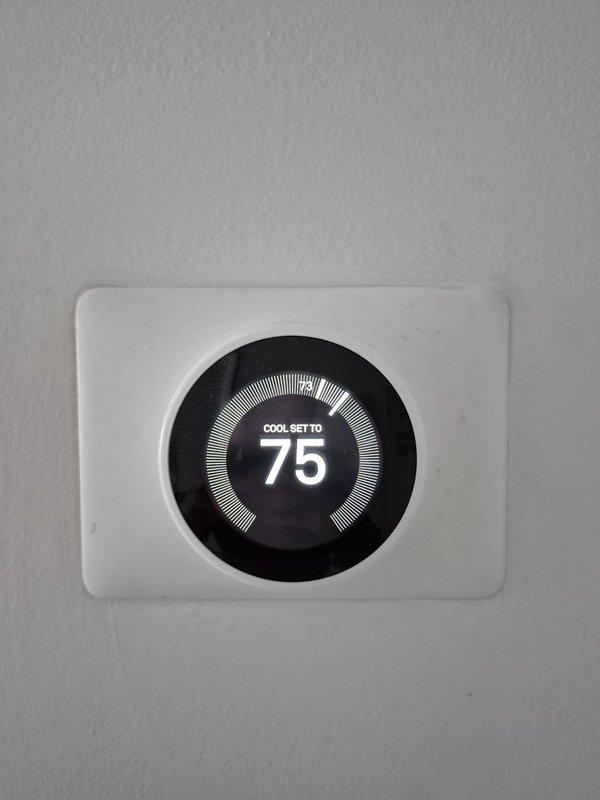
Completed comprehensive heating system preventive maintenance visit. Performed diagnostic testing of electrical components using clamp meter, verified capacitor operation and measured voltage readings to ensure proper system function. Inspected thermostat operation and confirmed cooling setpoint at 75 degrees with normal display function.
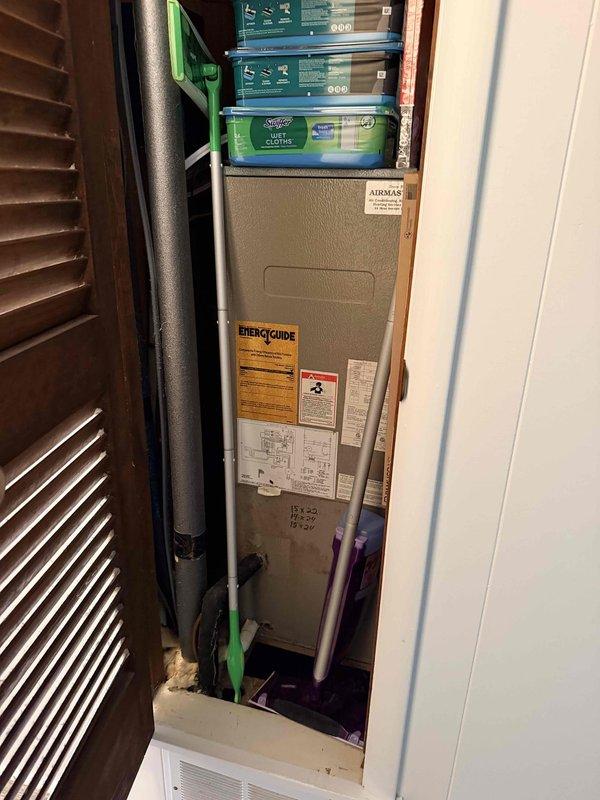
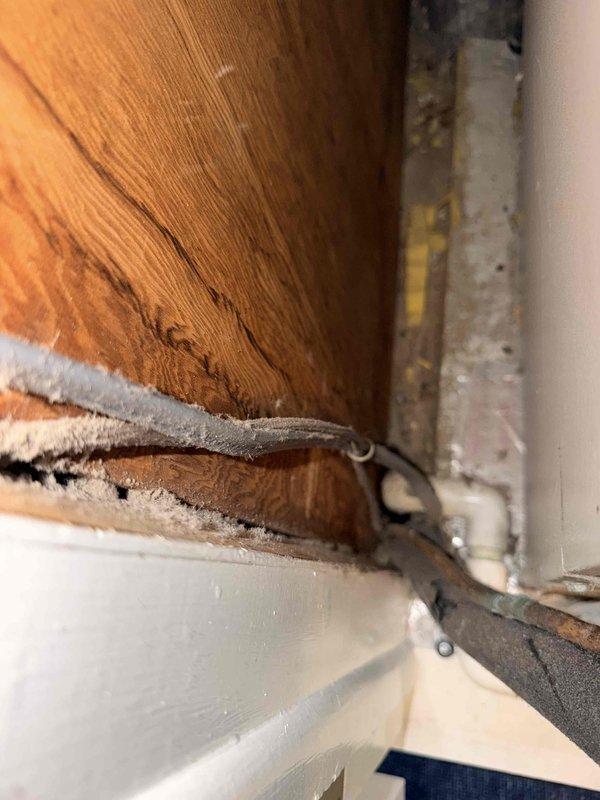

Conducted on-site evaluation for HVAC system replacement in multi-unit condo building where structural work necessitates equipment upgrades. Assessed two identical aging systems located in narrow hallway closets requiring full replacement, and evaluated two additional units that may need temporary disconnection and removal to facilitate foundation piling replacement work beneath the building. Documented existing installations including indoor furnace units in confined utility spaces and outdoor condensing units mounted on cemented stands, photographed equipment conditions and spatial constraints, and provided comprehensive replacement estimate addressing both immediate replacement needs for deteriorated units and contingency planning for temporary system removal during structural repairs.
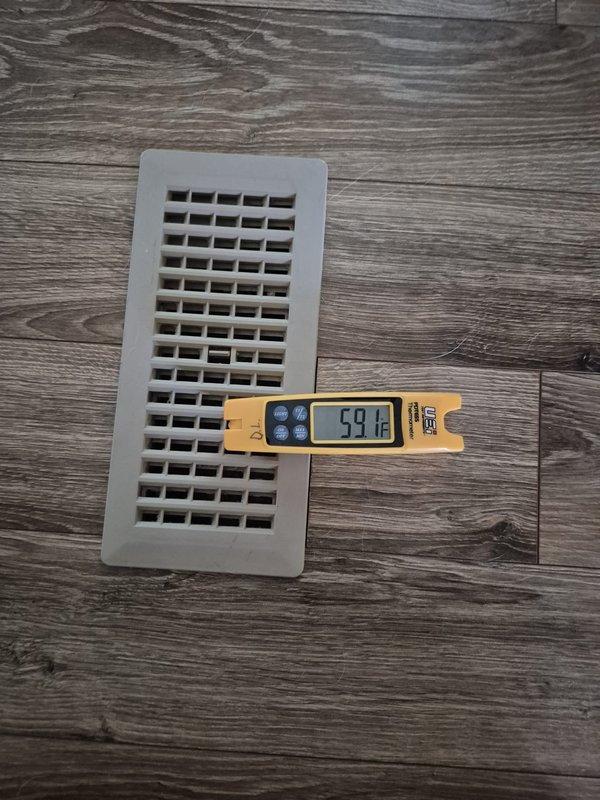
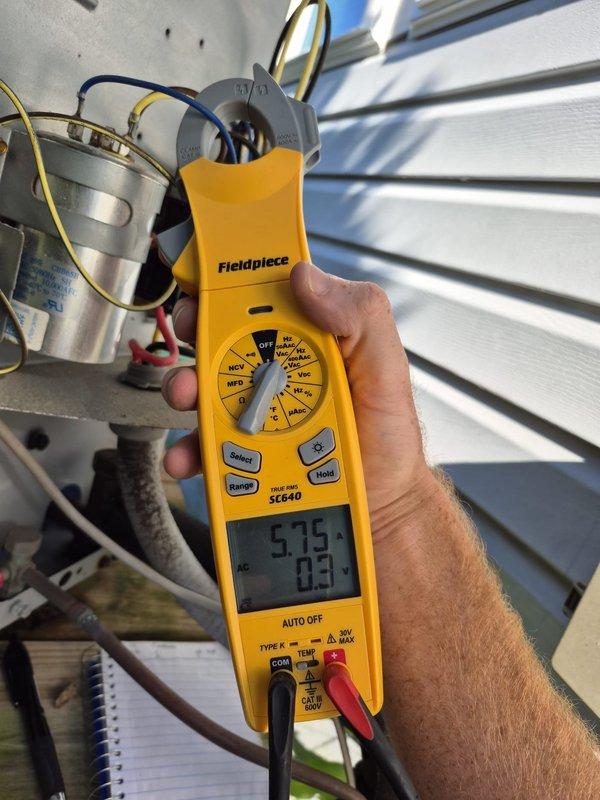
Performed comprehensive system inspection and tune-up on single HVAC unit. Measured supply air temperature at floor register reading 59.1°F and verified outdoor unit electrical performance with readings of 57.9V and 0.3A. Inspected capacitor connections, blower motor assembly, and all electrical components to ensure proper operation and system efficiency.
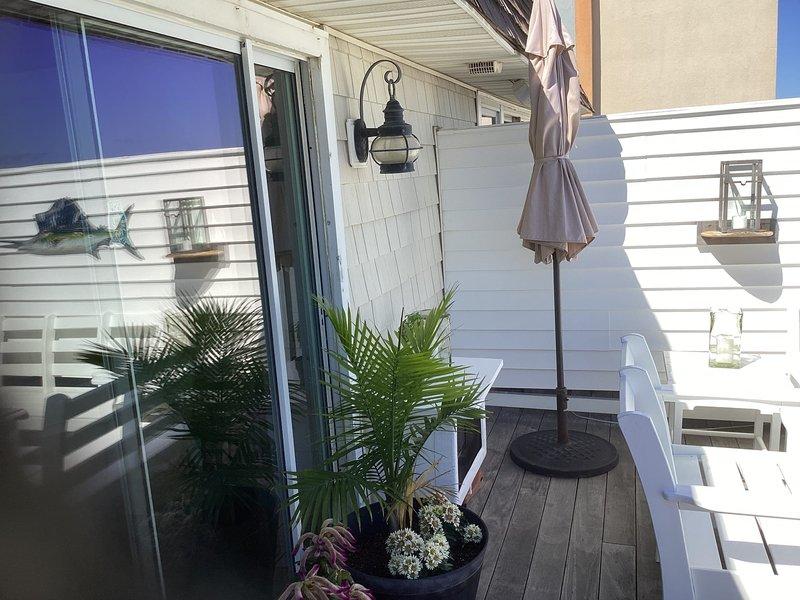
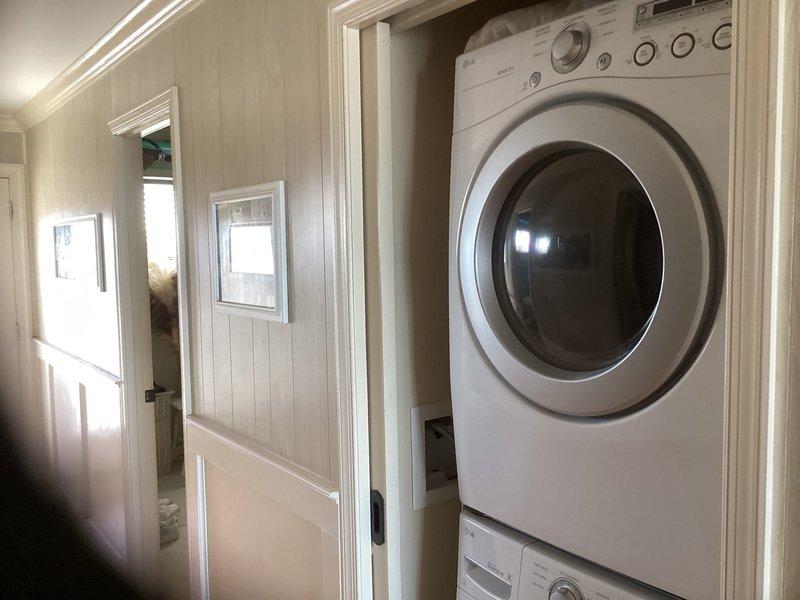
Conducted on-site evaluation for multi-zone ductless mini-split system installation to serve three rooms in top-floor condo unit. Assessed outdoor patio area with deck for potential condenser placement and reviewed interior laundry closet space for indoor air handler positioning. Provided estimate for ductless HVAC solution suitable for three-story residential application.
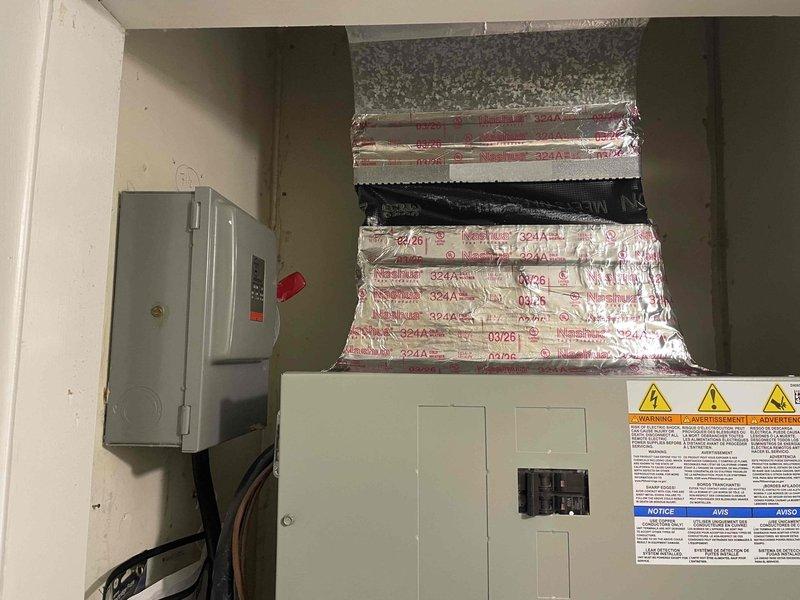
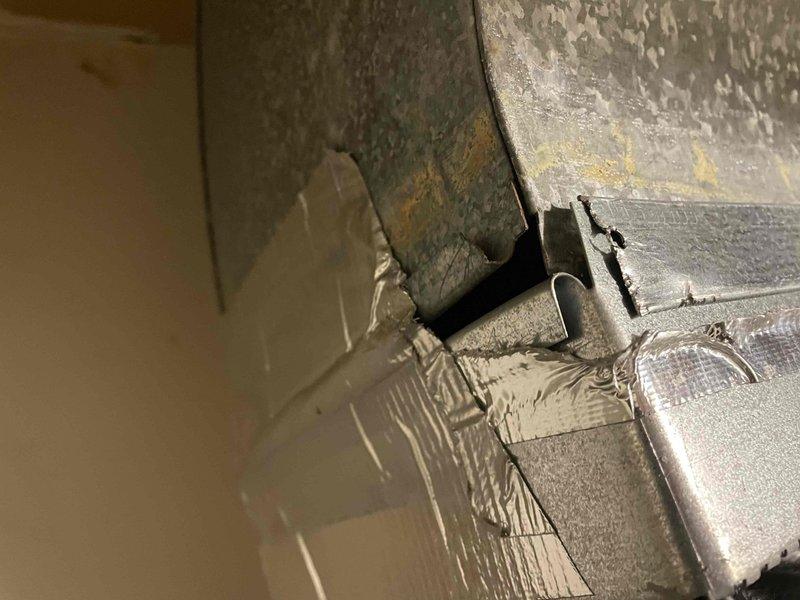
Responded to service call for indoor unit installed in February with loose ductwork connections. Upon inspection, found deteriorated foil tape and insulation peeling from flexible ductwork at multiple connection points in mechanical room and attic space. Resecured all loose duct connections, replaced failing tape with proper mastic sealant and foil tape, and verified proper airflow throughout system to restore indoor air quality and system efficiency.
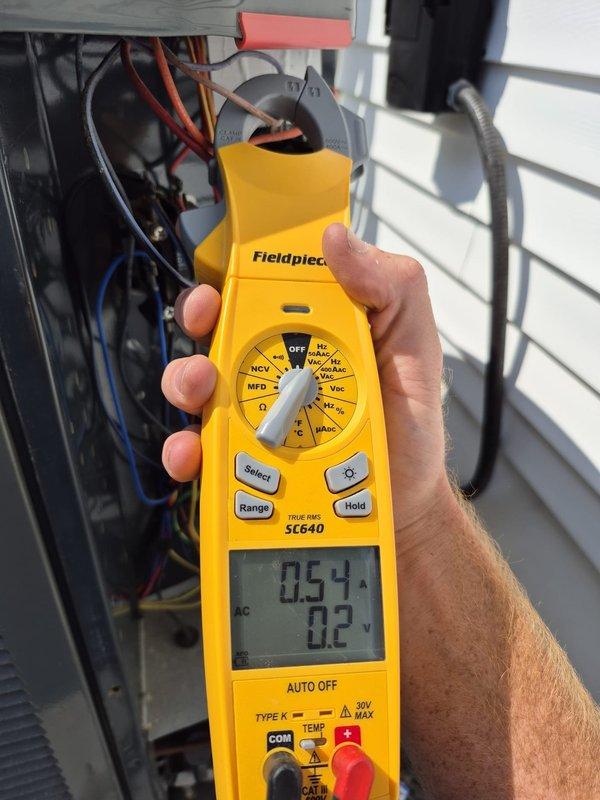
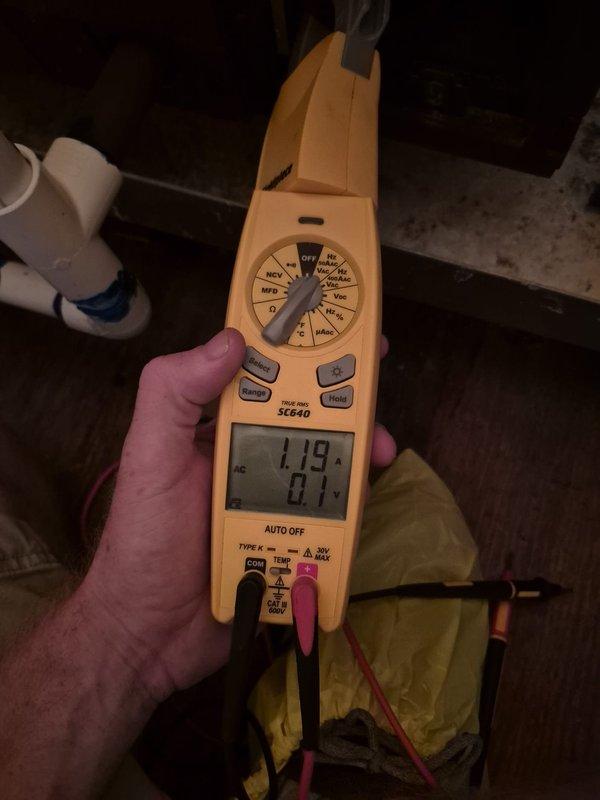
Completed routine heating system maintenance visit and performed comprehensive diagnostic testing. Used clamp meter to verify electrical readings, measuring 0.54 amps and 0.2 volts at the HVAC unit, and confirmed 119V supply voltage with proper amperage draw of 41 amps at the main system components. All electrical connections, blower assembly, and system wiring inspected and found operating within normal parameters.
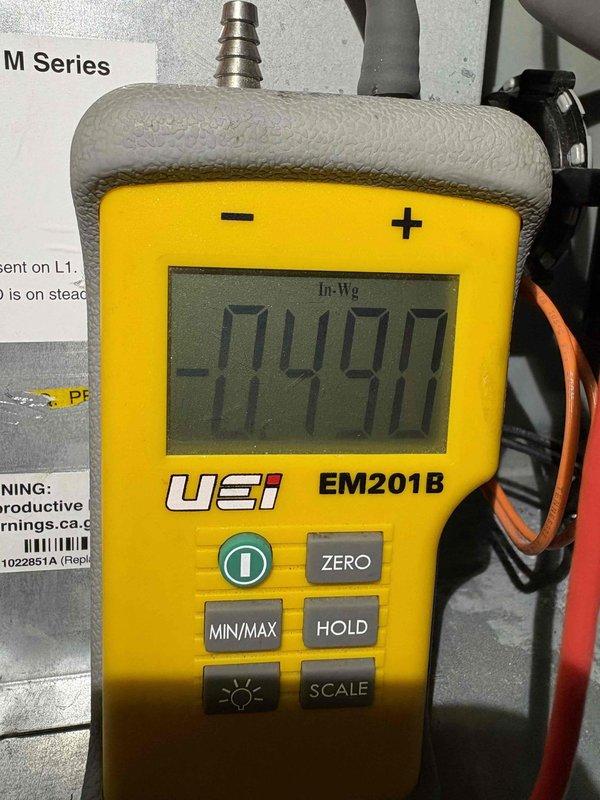
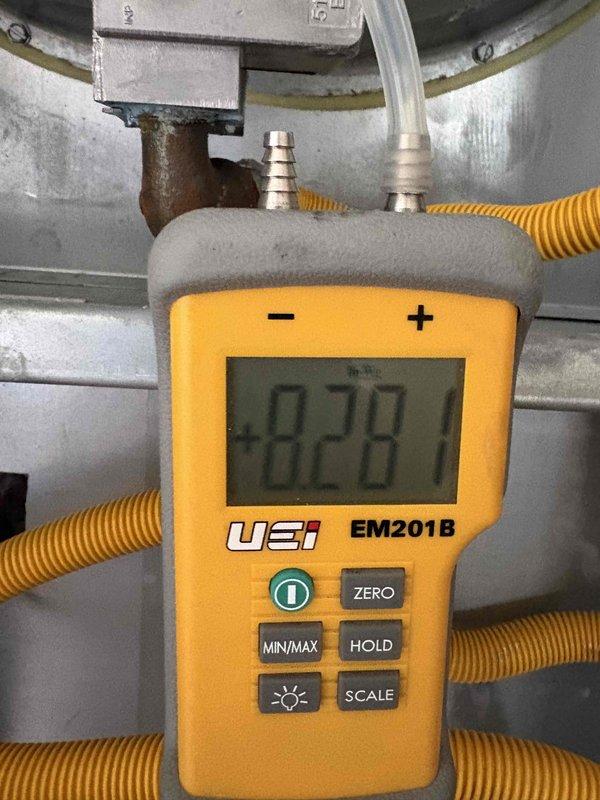

Responded to no heat call on natural gas furnace making noise but not igniting. Upon inspection, measured pressure switch readings using digital manometer (UEi EM201B), which revealed abnormal negative pressure readings of -14990 and -828 inches water column, indicating a significant pressure switch or induced draft blower issue. The furnace was attempting to operate but failing to complete the ignition sequence due to improper pressure switch activation. Diagnosed failed pressure switch or blocked vent system preventing proper draft verification, which caused the safety lockout preventing burner ignition. Performed system diagnostics and pressure testing on the heating system to identify the root cause of the no-heat condition.
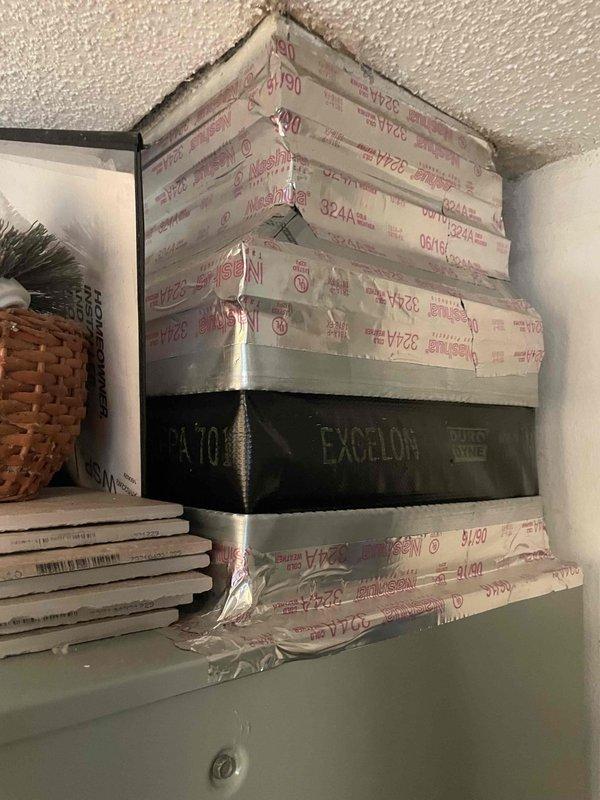
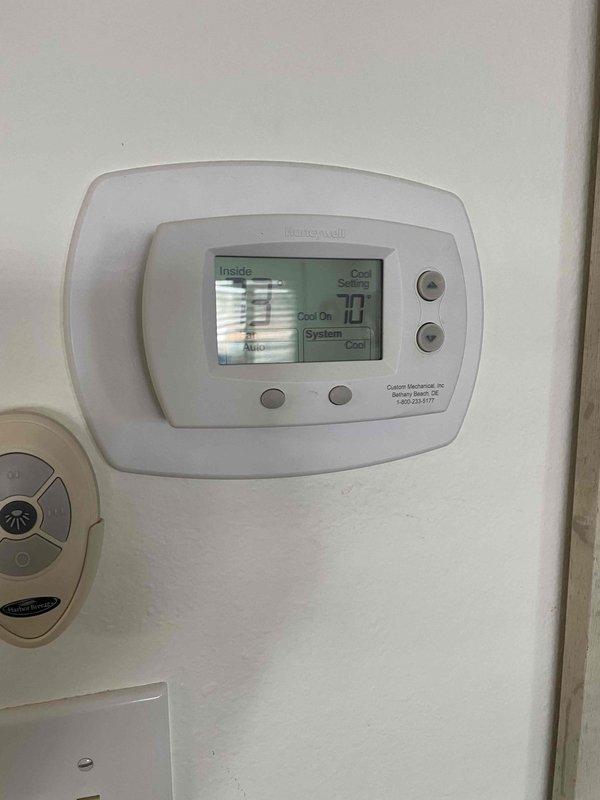
Responded to no cooling call for rooftop HVAC unit requiring attic access via 8-foot ladder. Upon arrival, confirmed system was not operating and thermostat displayed 71°F with cooling mode engaged but unit failed to run. Accessed rooftop unit, diagnosed issue, and restored system to proper cooling operation.
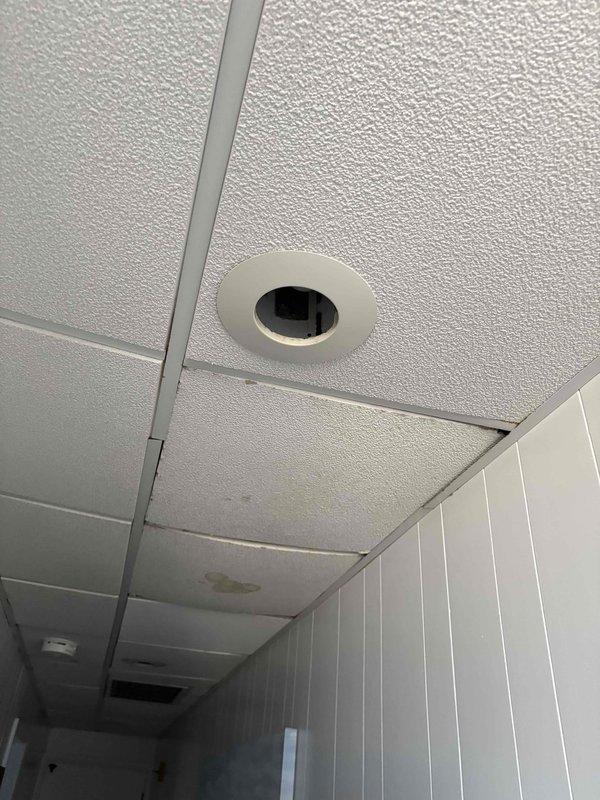
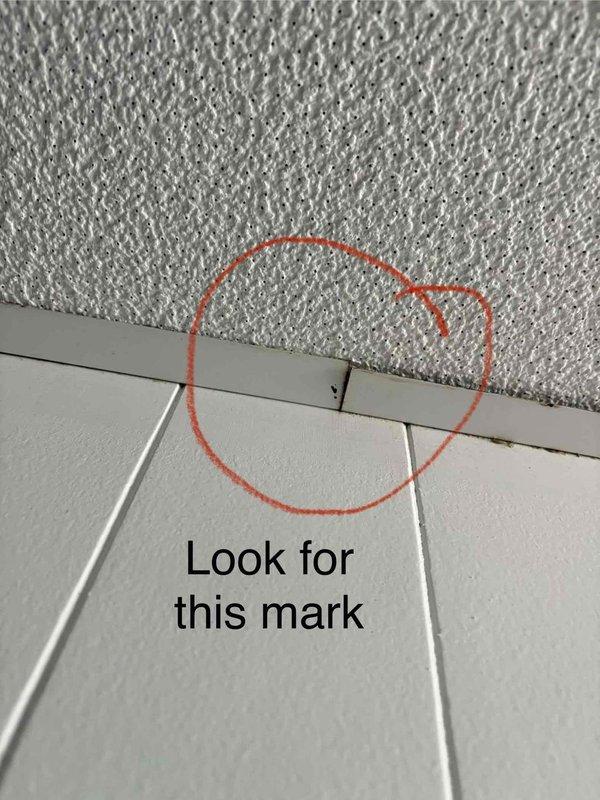
Completed comprehensive tune-up and inspection on single HVAC system. All components were evaluated for proper operation, with special attention given to ceiling-mounted equipment and ductwork connections. Documented specific reference points on ductwork for future service identification and provided photographic records of system location and condition.
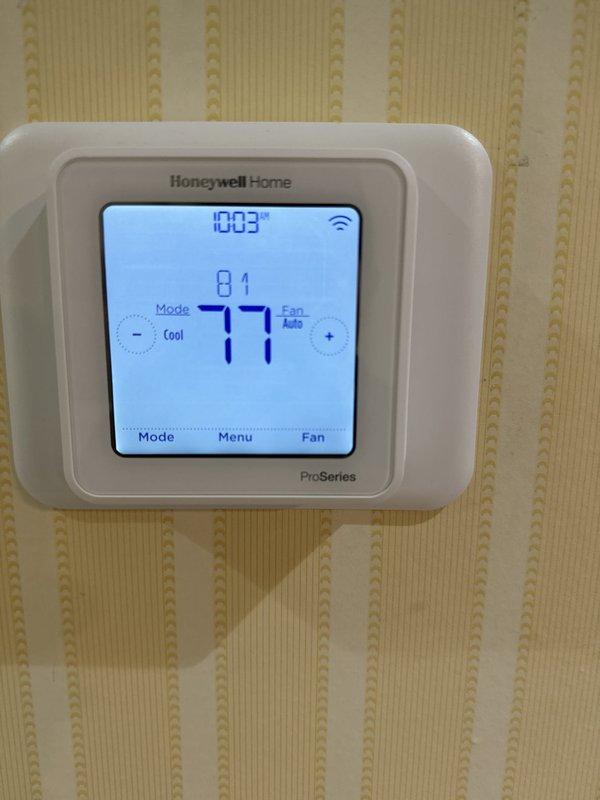
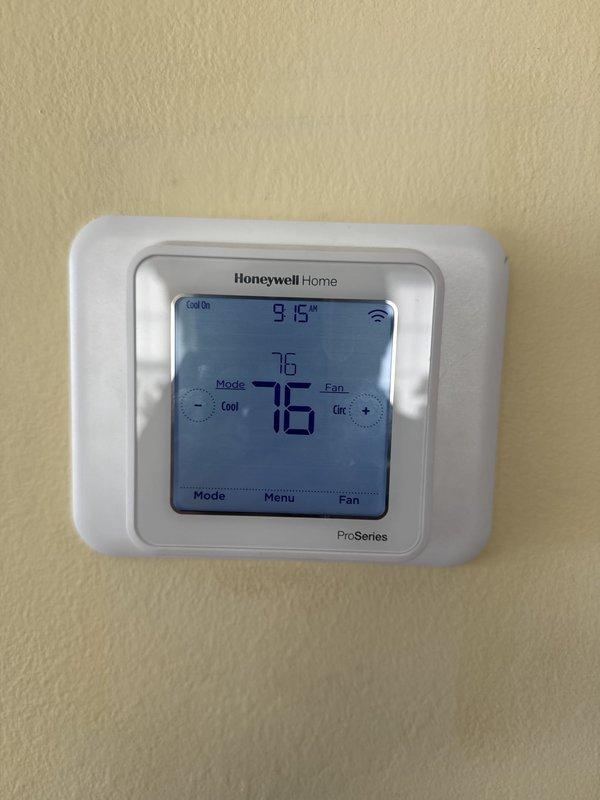

Completed routine cooling maintenance visit on two HVAC systems. Inspected and verified proper operation of both Honeywell Home ProSeries thermostats, confirming accurate temperature readings, WiFi connectivity, and cooling cycle functionality with systems operating within normal parameters.