



Selbyville, DE
Selbyville, DE, has the kind of small-town character that makes people stay. What nobody signs up for is a heating system that quits in January or an air conditioner that surrenders in the middle of a Delaware heat wave. Custom Mechanical has been solving exactly those problems for Delmarva homeowners since 1981, building a reputation across Sussex County on three simple principles: show up fast, fix it right and treat every customer like a neighbor. In Selbyville, DE, that's not a marketing line. It's how we've done business for decades when delivering our honest heating and air conditioning services.
Slash Energy Bills With an Air Conditioning Service Plan in Selbyville, DE
Energy costs across the mid-Atlantic have climbed steadily over the past decade, and an inefficient HVAC system is one of the fastest ways to feel that pressure in your monthly budget. A neglected air conditioner can quietly consume up to 40% more electricity than a well-maintained AC system, turning every degree of comfort into an unnecessarily expensive proposition. Custom Mechanical's air conditioning service visits go well beyond a basic tuneup, encompassing full system diagnostics, coil cleaning, refrigerant verification, electrical testing, and airflow balancing that collectively restore efficiency and reduce operating costs. For Selbyville, DE, homeowners who want to take control of their energy bills, a scheduled AC service visit is the most cost-effective first step available.
24/7 Emergency Heating and Air Conditioning Response in Selbyville, DE
HVAC systems have a well-documented tendency to fail at the worst possible moments. Custom Mechanical offers 24/7 emergency heating and air conditioning service precisely because comfort emergencies don't follow a business schedule. Our service technicians arrive prepared, with fully stocked vehicles carrying the parts and tools needed to handle the most common system failures on the spot. First-visit resolution is a goal and standard we hold ourselves to because we understand what it means for a Selbyville family to be without heat or cooling while waiting on a return visit. Whether it's a furnace that won't ignite, a compressor that's seized or an air handler throwing error codes at midnight, Custom Mechanical answers the call every single time.
Build Long-Term Reliability With a Whole-Home Comfort Assessment
Many homeowners in established communities like Selbyville are living with HVAC systems and plumbing infrastructure that have quietly aged past their optimal performance window. Equipment that still technically runs isn't necessarily equipment that runs well, and the gap between "operational" and "efficient" can represent hundreds of dollars in wasted energy costs every year. Custom Mechanical's whole-home comfort assessments give Selbyville residents a clear, honest picture of where their systems stand today and what steps make the most sense for long-term performance and reliability.
Call Custom Mechanical to learn more about the heating and air conditioning services we offer in Selbyville, DE, including emergency HVAC repairs and installations.
Recent Jobs and Reviews in Selbyville, DE
Selbyville, DE at a glance
Custom Mechanical has completed 20 jobs in Selbyville, DE between May 2026 and June 2026.
The most recent job was on June 12, 2026.
Job Locations and Reviews
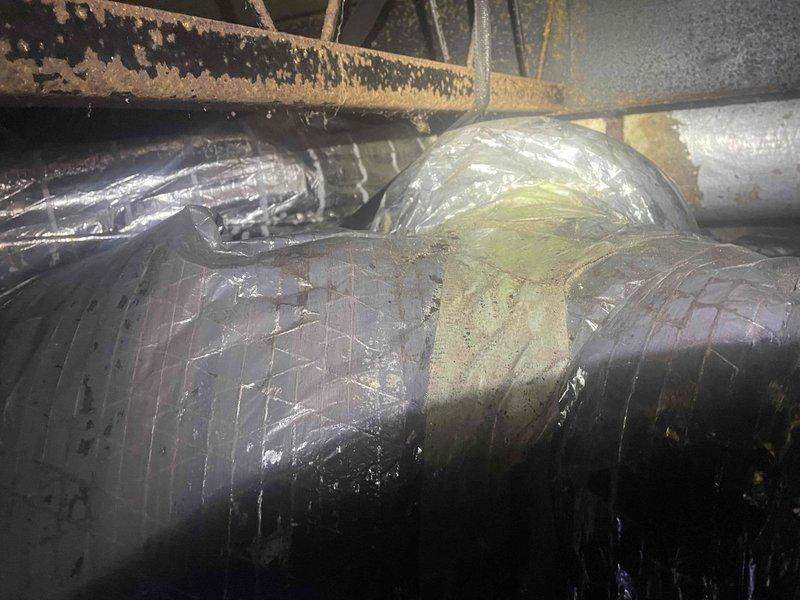
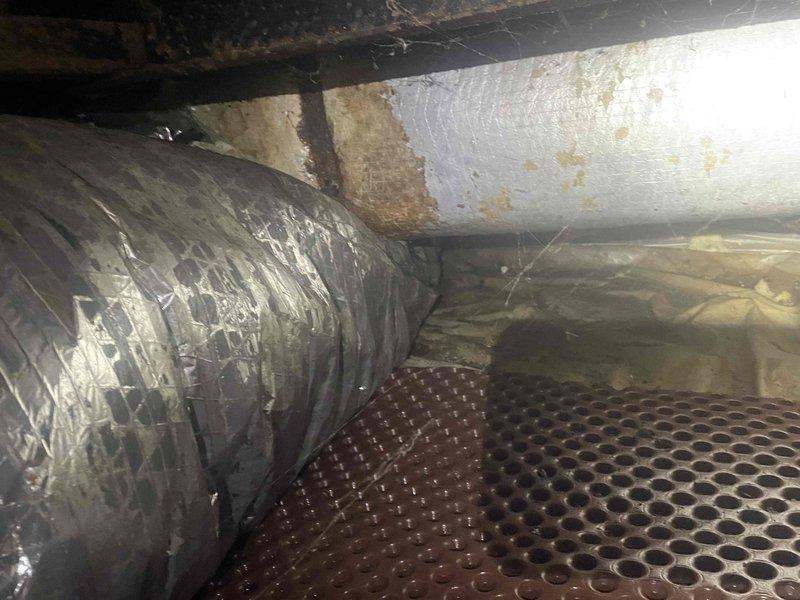

Responded to no cooling complaint on residential HVAC system. Upon inspection, accessed crawl space and evaluated ductwork system and structural conditions. Found flexible ductwork with visible deterioration including discolored tape connections and potential contamination on duct wrap material. Observed significant moisture damage to surrounding wooden structural members with advanced weathering and degradation. Documented conditions showing compromised crawl space environment with aged insulation, corroded piping, and moisture barrier flooring. Advised customer of findings and explained billing parameters for related versus unrelated repairs to original service call.
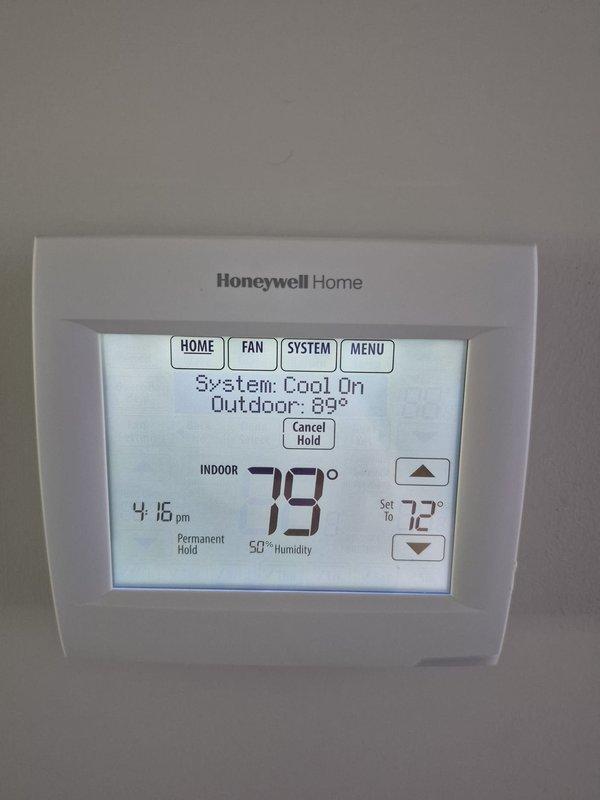
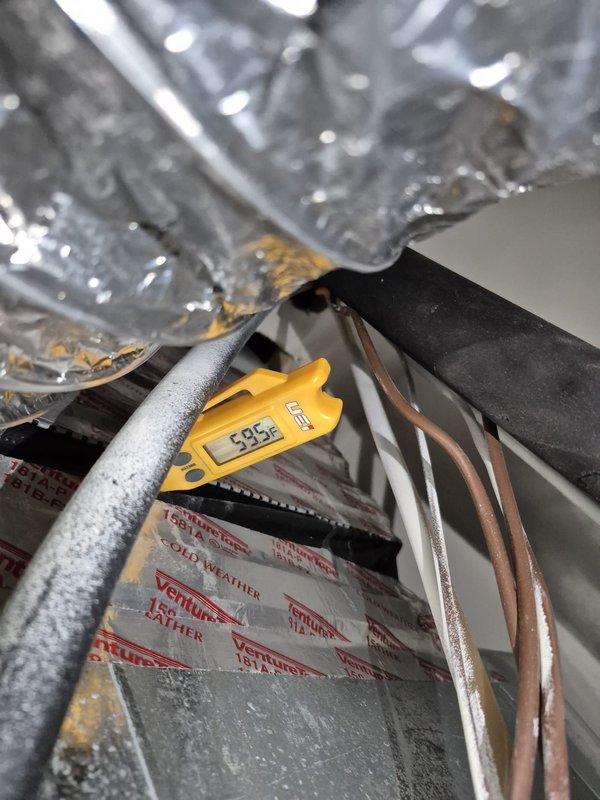

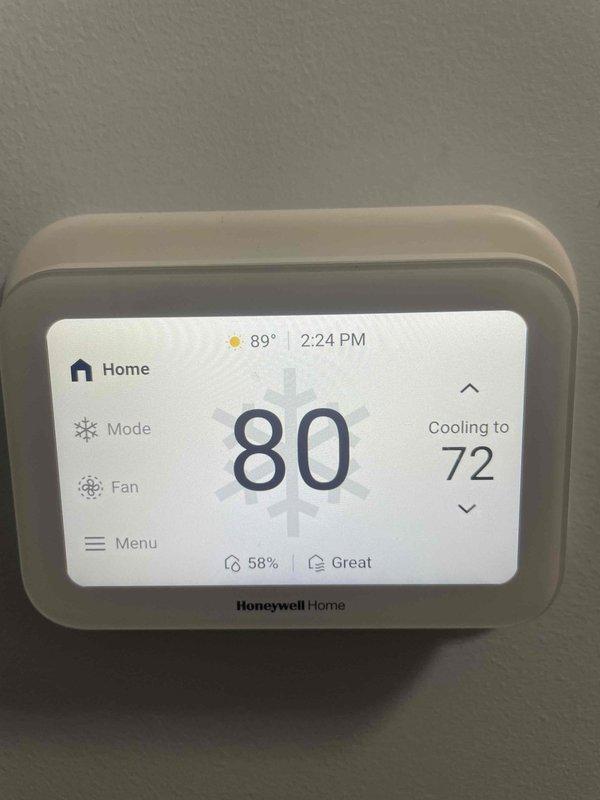
# HVAC Service Completed Responded to no cooling complaint on second floor main system. Upon arrival, found thermostat calling for cooling with setpoint at 72°F while indoor temperature registered 79°F with 60% humidity and outdoor temperature at 89°F. System indicated active cooling mode but failed to achieve desired temperature. Inspected indoor evaporator coil and measured supply air temperature at 38.3°F, confirming proper refrigerant operation and adequate cooling capacity. Verified system airflow through supply ductwork and checked refrigerant pressures, which showed normal operating conditions with slight undercharge at 15% below optimal levels. Added refrigerant to bring system to manufacturer specifications. Monitored system operation to ensure proper cycling and temperature drop. System now cooling effectively and maintaining setpoint temperature. Advised monitoring system performance over next 24-48 hours to confirm sustained operation.
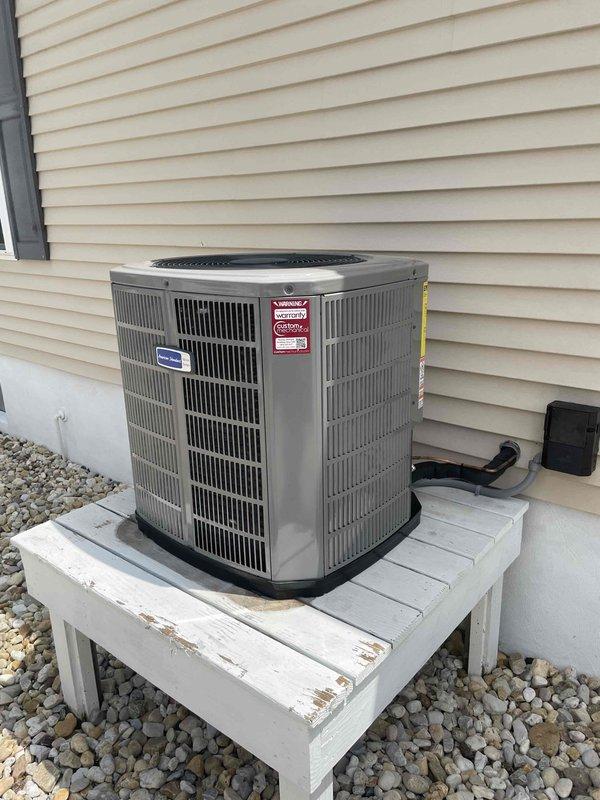

Completed full HVAC system replacement including removal and disposal of existing equipment. Installed American Standard 5A6H4030A1000A 2.5-ton 14 SEER heat pump with matching American Standard 5TEM4B03AC31 air handler and BAYHTR1510 10 kw electric heat pack. Fabricated and installed metal duct transitions to adapt new equipment to existing ductwork. Reused existing refrigerant lines and condensate drain. Replaced outdoor electrical disconnect and whip to meet current code requirements. Positioned outdoor unit on existing equipment stand with proper clearances. Installed Honeywell digital WiFi thermostat and completed system programming. Verified all electrical connections, tested system operation in both heating and cooling modes, and confirmed proper airflow and refrigerant charge. System operating within manufacturer specifications with one-year parts and labor warranty from installation date.
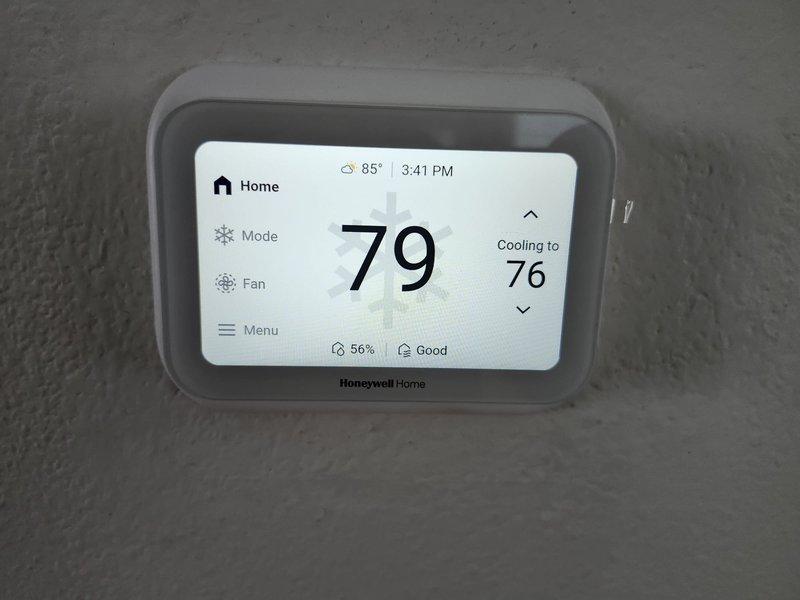
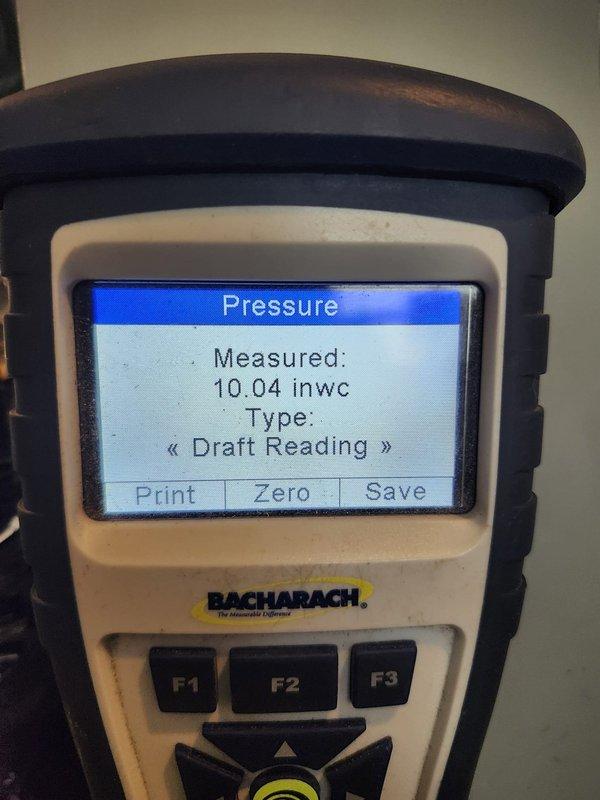

Completed full HVAC system replacement for first floor, removing and disposing of existing equipment. Installed 4-ton 16 SEER heat pump (model 5A6H7048) on pressure-treated wood platform, paired with 2-stage variable speed furnace (model S9V2C100U5V) converted to LP operation, and matched evaporator coil (model 5TXCC009). Furnished and installed transition fittings to adapt new equipment to existing metal trunk ductwork. Flushed, pressure tested, and recharged refrigeration lines to manufacturer specifications, with draft pressure reading verified at 10.04 inwc. Installed WiFi-enabled dual fuel heat pump thermostat (model THX1200W) programmed for coordinated operation between heat pump and furnace backup. System commissioned and tested for proper cooling operation, with thermostat displaying 79°F indoor temperature while cooling to 76°F setpoint. Extended warranty coverage includes one year on equipment and materials for both systems in residence.
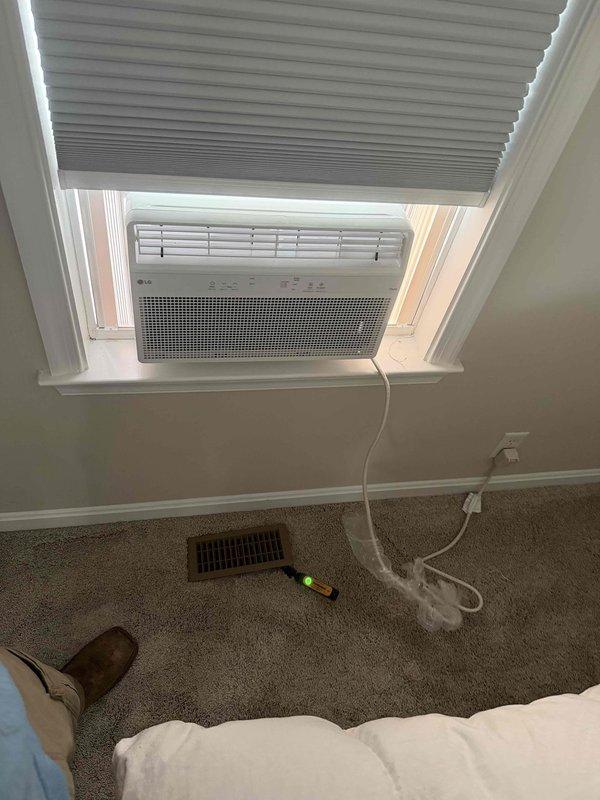

Replaced damaged 6-inch flex duct line in HVAC system. Verified remaining ductwork and system operational status upon completion.
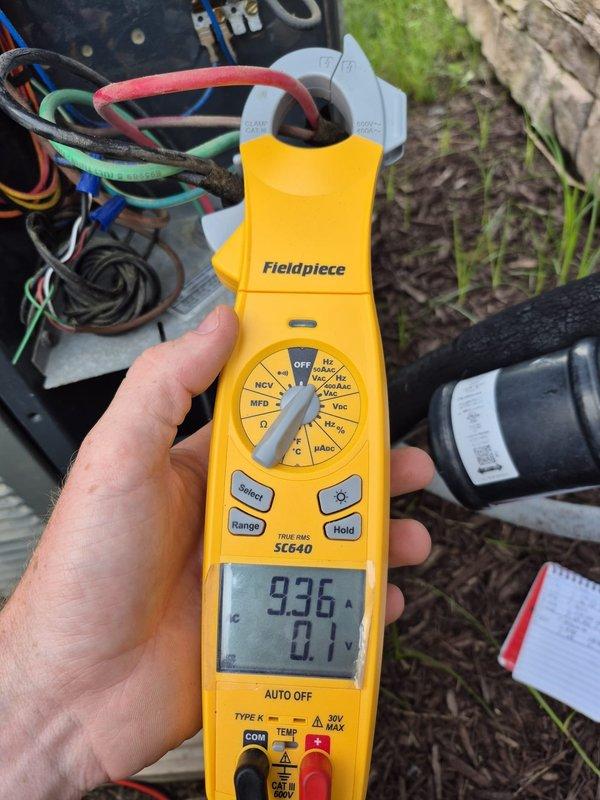
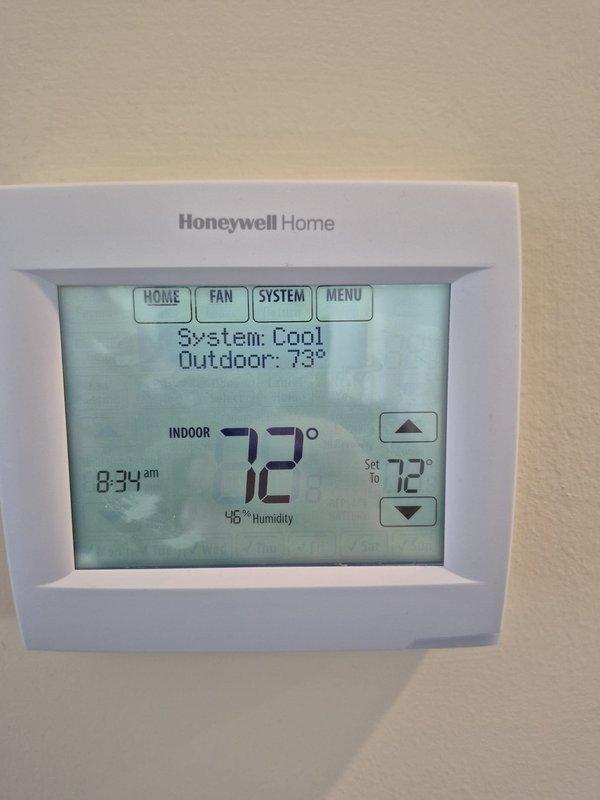
Completed routine cooling maintenance visit on two HVAC systems. Performed electrical diagnostics using clamp meter, measuring amperage draw at 9.36A to verify compressor performance and system efficiency. Verified thermostat operation showing 72°F indoor temperature with 46% humidity, system cooling properly with outdoor temperature at 73°F. Both systems operating within normal parameters with no issues identified.
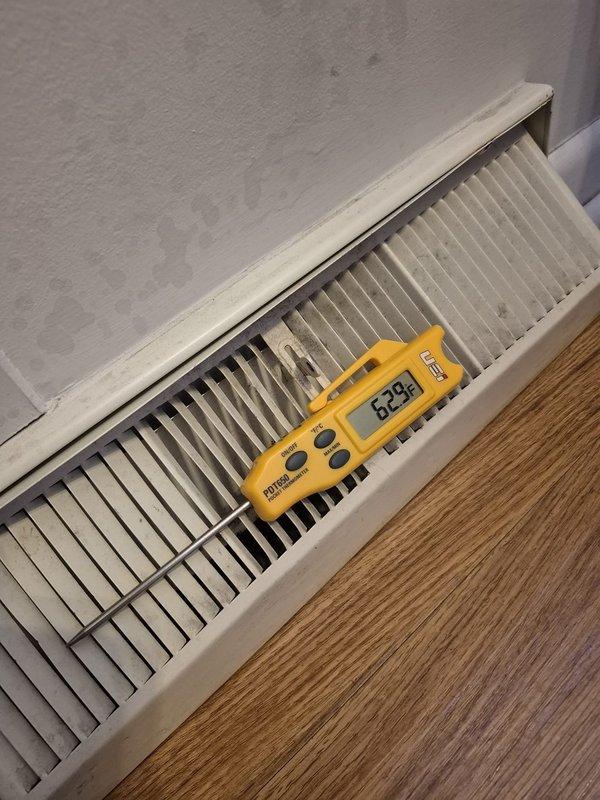
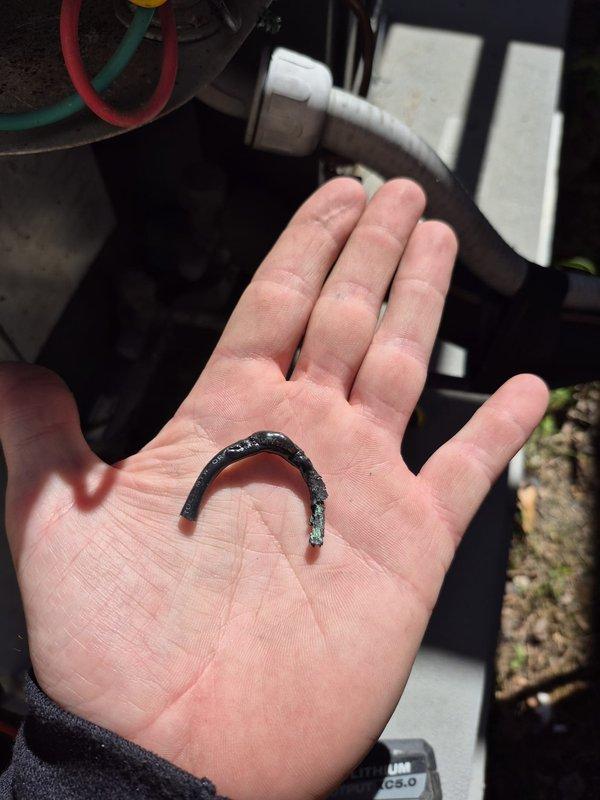
Responded to no-cool call for unit under 10 years old with outdoor unit failing to start. Upon inspection, discovered deteriorated capacitor with visible corrosion and buildup preventing compressor operation. Replaced failed capacitor, verified proper voltage and amperage readings at supply register, and confirmed system returned to normal cooling operation with outdoor unit running properly.
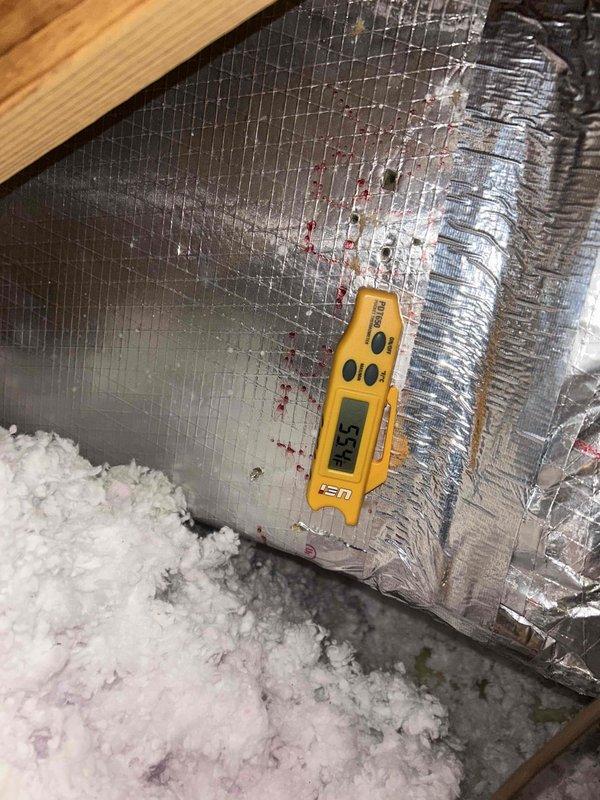
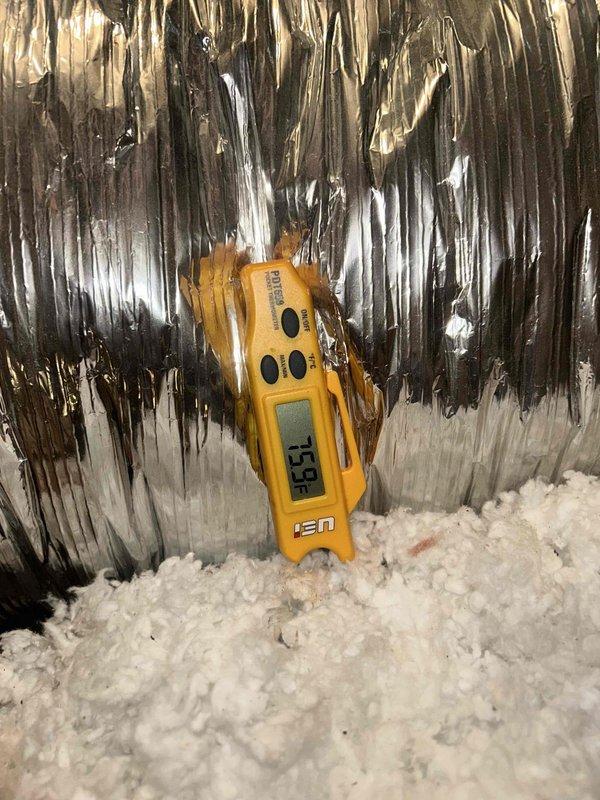

Responded to no cooling complaint on unit less than 10 years old. Upon arrival, found system running but not cooling adequately with excessive noise reported. Performed diagnostic temperature measurements at supply and return locations using digital thermometer. Supply air temperature measured 39.5°F at ductwork in attic space, while return air measured 55.9°F, indicating inadequate temperature split of approximately 16 degrees. Normal temperature differential should be 18-22 degrees for proper cooling performance. Inspected attic-mounted equipment and ductwork for visible issues. No refrigerant leaks detected during visual inspection. Unit remains noisy and not cooling to desired temperature. Further diagnostics required to identify root cause of insufficient cooling capacity and abnormal noise levels. Possible issues include low refrigerant charge, compressor inefficiency, airflow restrictions, or mechanical component failure requiring additional testing and repair.
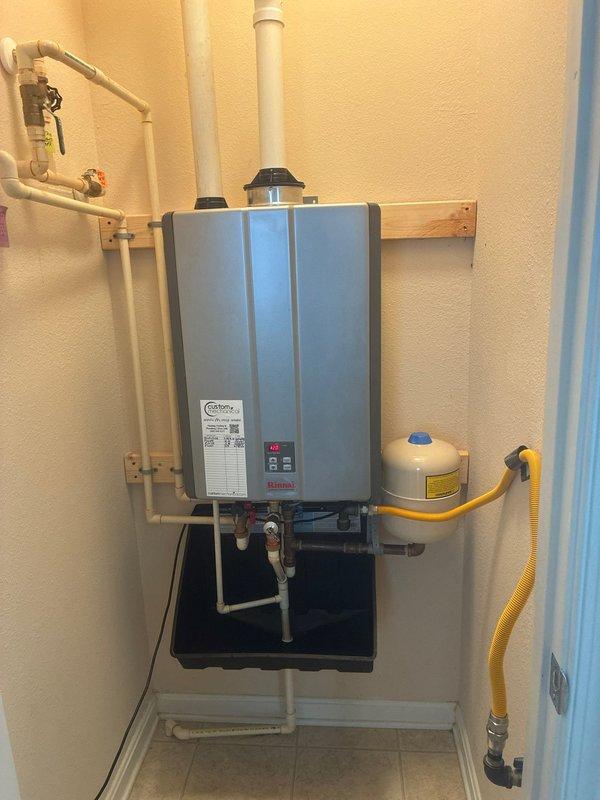

Completed first recurring maintenance visit on Rinnai tankless water heater unit. Performed comprehensive inspection of wall-mounted system including digital display functionality, gas line connections, water supply and return lines with shut-off valves, PVC venting, drip pan placement, and mounting hardware. All components found to be in proper working order with professional installation standards maintained.
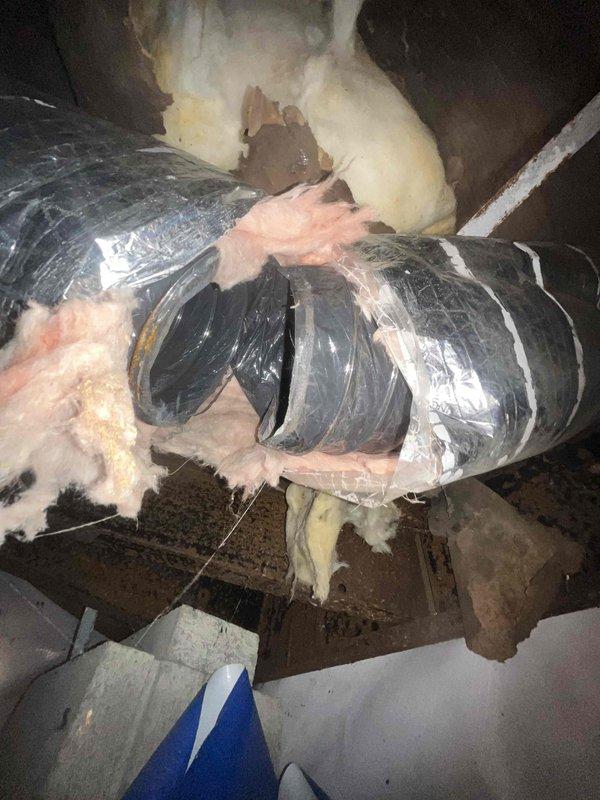
Responded to callback for no cooling issue following recent blower motor replacement. System was running continuously but failing to cool effectively. Inspected attic installation area and ductwork connections where previous work was performed. Documented condition of ductwork insulation and temporary sealing measures around main trunk line. Verified blower motor operation and investigated potential causes for insufficient cooling performance since part installation.
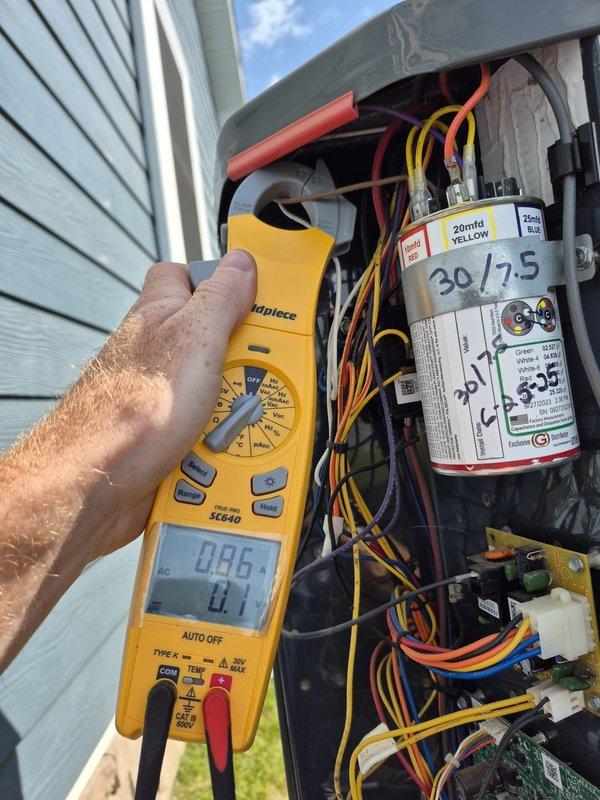
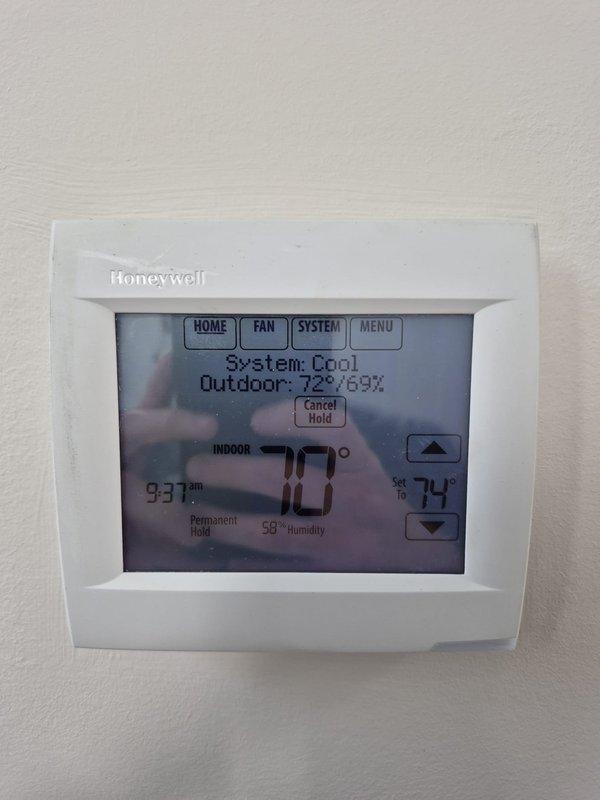
Completed platinum membership maintenance service on single HVAC unit. Performed comprehensive system inspection including electrical component testing using digital multimeter to verify proper voltage and amperage readings at capacitor (200 MFD) and control board connections. All electrical connections tested within normal operating parameters. Verified thermostat operation and programming on Honeywell programmable unit, confirming accurate temperature readings and system mode functionality. System currently operating in cooling mode with proper temperature control and humidity levels. All components functioning as designed with no deficiencies noted during inspection.
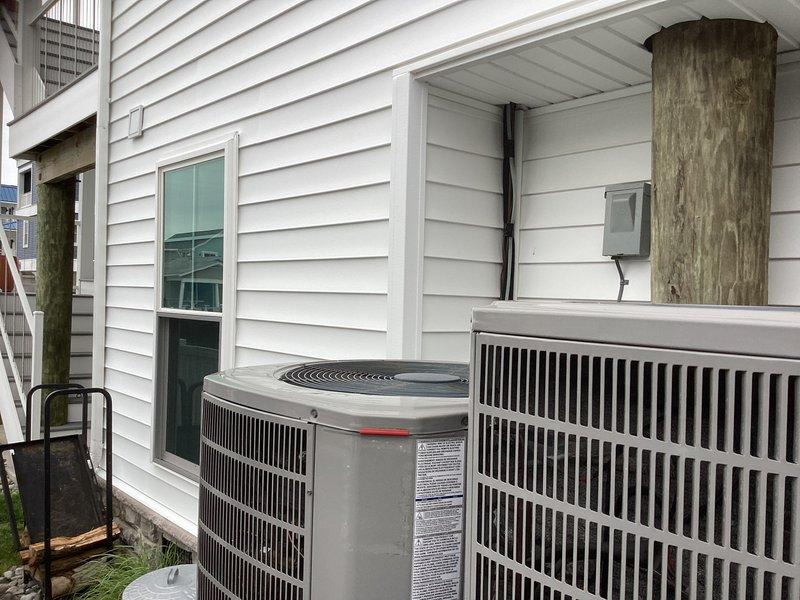
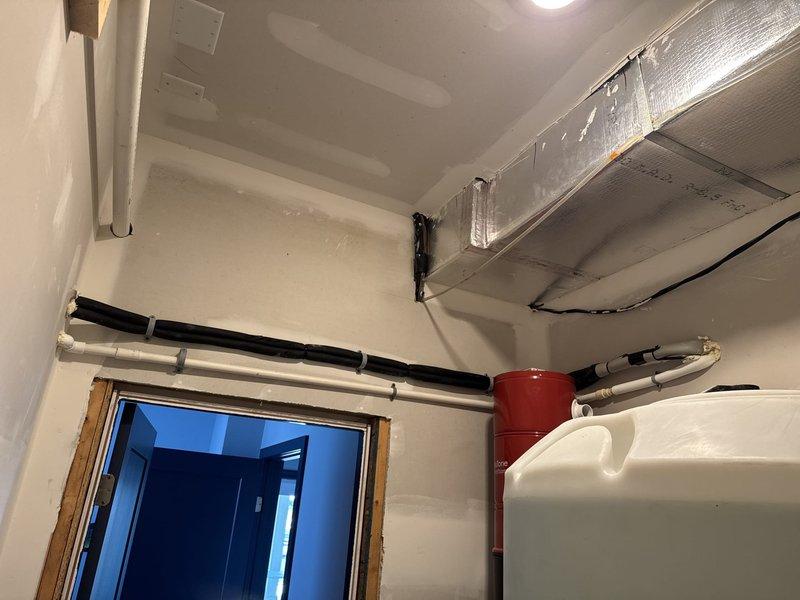

Completed installation of Mitsubishi ductless mini-split system consisting of MUZ-FX09NL outdoor condensing unit and MSZ-FX09NL indoor fan coil unit. Mounted outdoor unit on stainless steel wall bracket on east exterior wall adjacent to existing HVAC equipment. Installed indoor fan coil on closet wall in ground floor gym area. Ran refrigerant lines, condensate drain, and low voltage control wiring between indoor and outdoor units with proper insulation and support. Installed surge disconnect at outdoor unit location. System tested and confirmed operational with proper refrigerant charge and airflow. Customer responsible for final power wiring connection. One-year parts and labor warranty provided on ductless equipment.
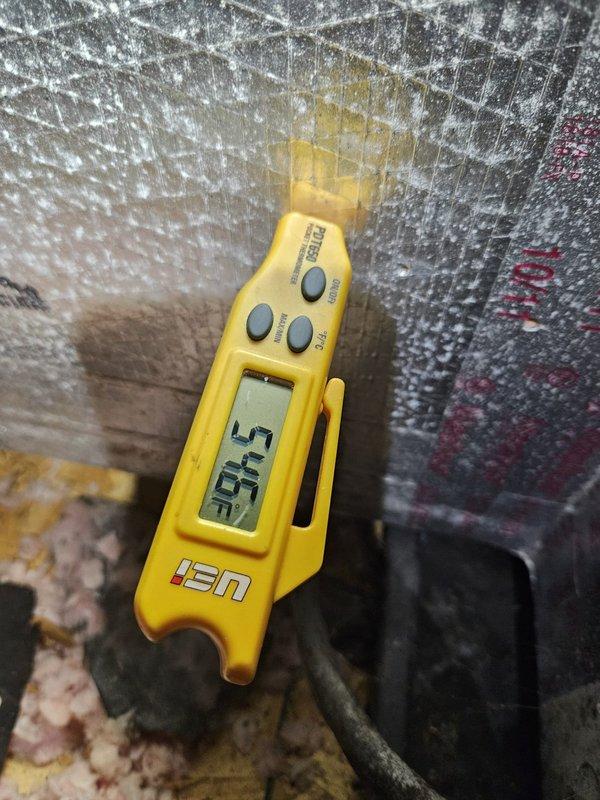
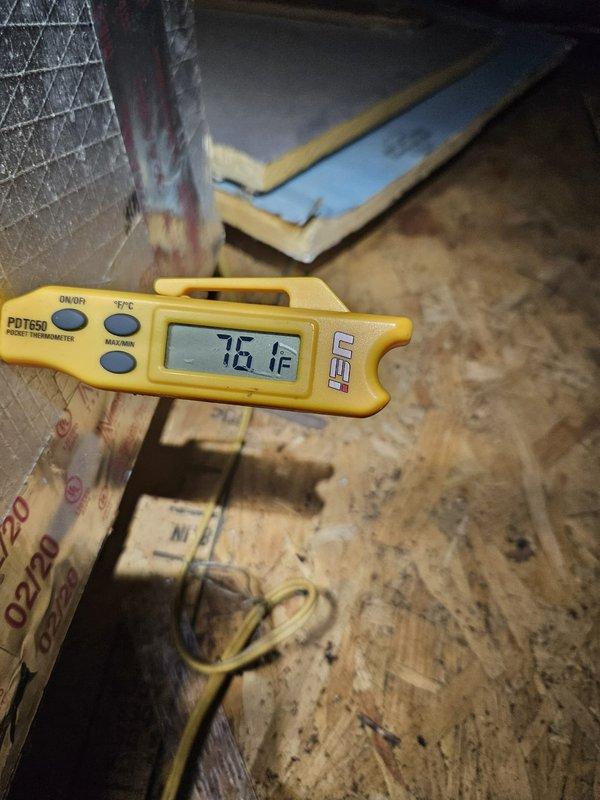

Responded to no cooling complaint on upstairs system covered under blanket membership. Upon inspection, discovered evaporator coil completely frozen with heavy ice accumulation throughout. Measured supply air temperature at 57.5°F at coil and return air at 76.1°F, confirming restricted airflow condition. Diagnosed frozen coil caused by insufficient airflow across evaporator. Shut down system to allow complete ice melt before further diagnostics. Will need to return to verify airflow, check refrigerant charge, inspect blower operation, and confirm filter condition once coil has fully thawed.
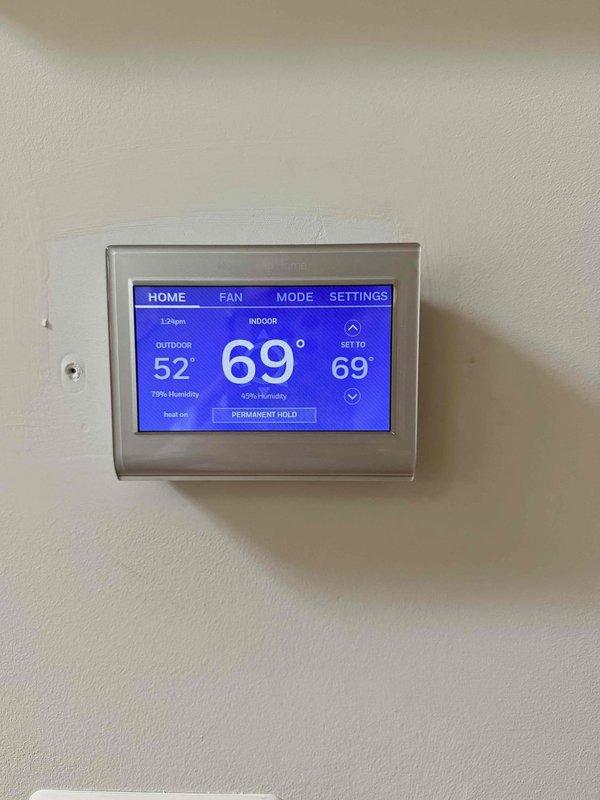
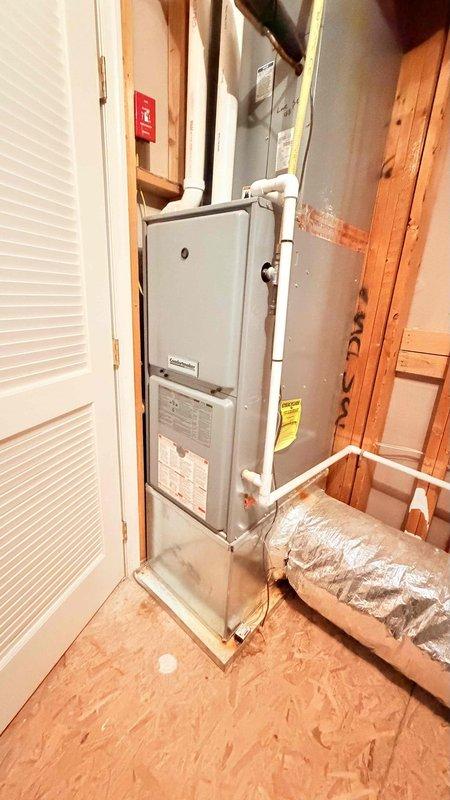

Performed comprehensive assessment of existing air conditioning system that is over 15 years old and currently not functioning properly. Evaluated existing air handler unit located in utility space and reviewed current thermostat operation displaying indoor temperature of 69° with outdoor conditions at 52°. Presented multiple replacement options for complete AC system upgrade to address failed equipment and provide improved cooling performance and efficiency for owner-occupied residence.
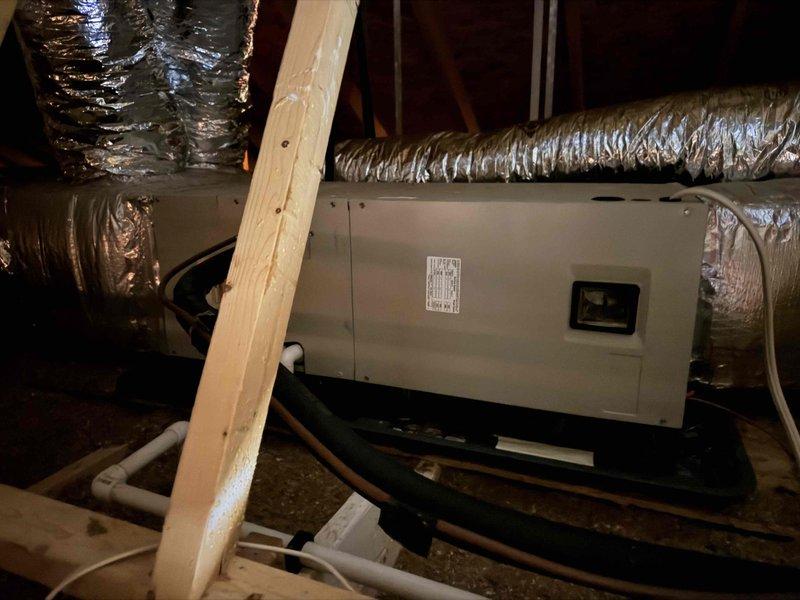
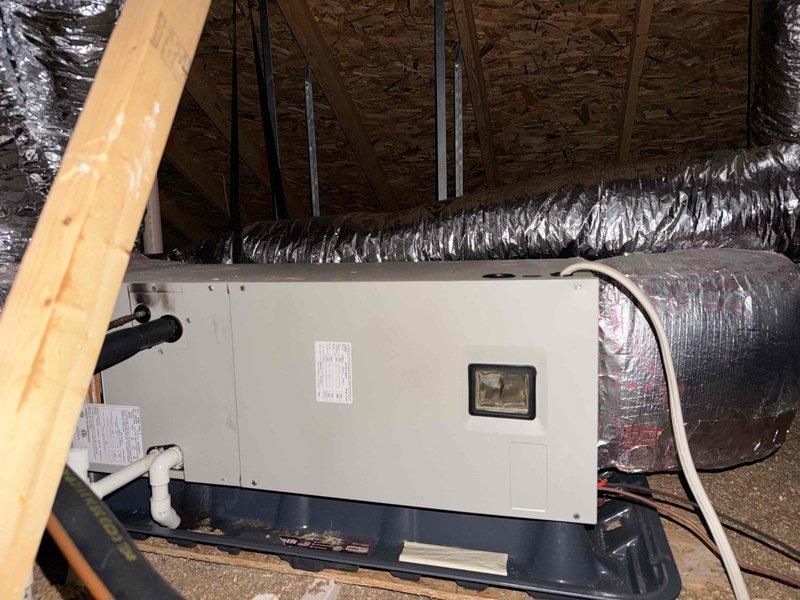
Provided estimate for HVAC system replacement in attic installation. Assessed existing air handler unit and ductwork configuration, documented current equipment specifications and installation conditions including flexible metallic ductwork, condensate drain pan, and PVC drain lines. Customer inquiry also included whole house surge protector installation options.
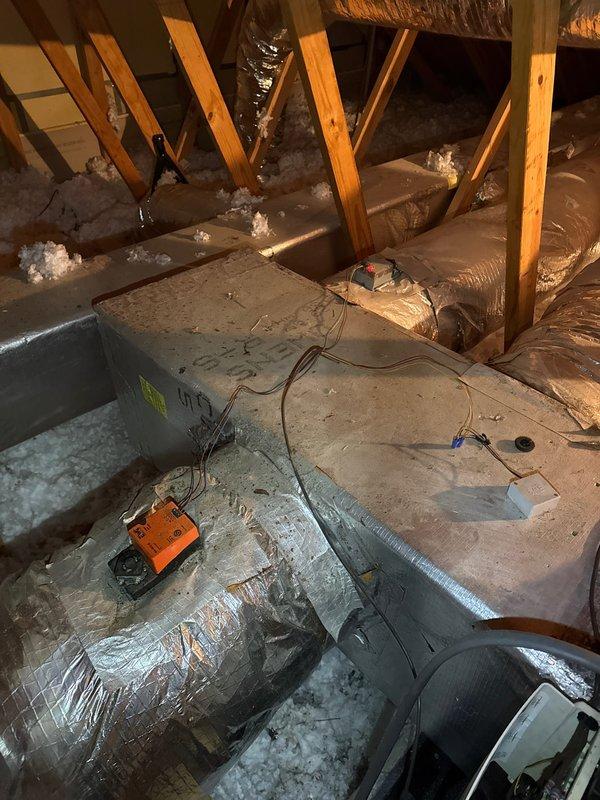
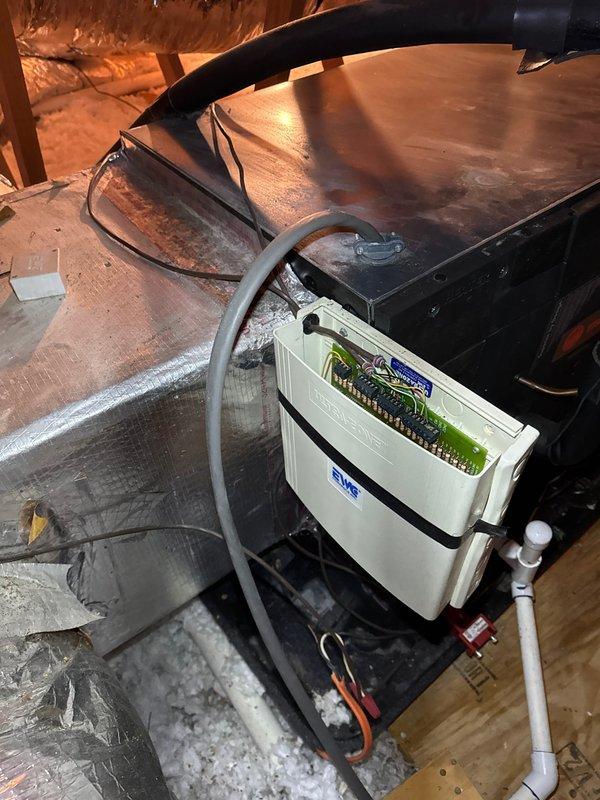
Performed comprehensive inspection and tune-up on two HVAC systems located in attic space. Evaluated air handler components, control boards, electrical connections, and ductwork integrity. All systems tested and found operating within normal parameters, with proper airflow through flexible duct runs and adequate insulation coverage maintained throughout installation area.
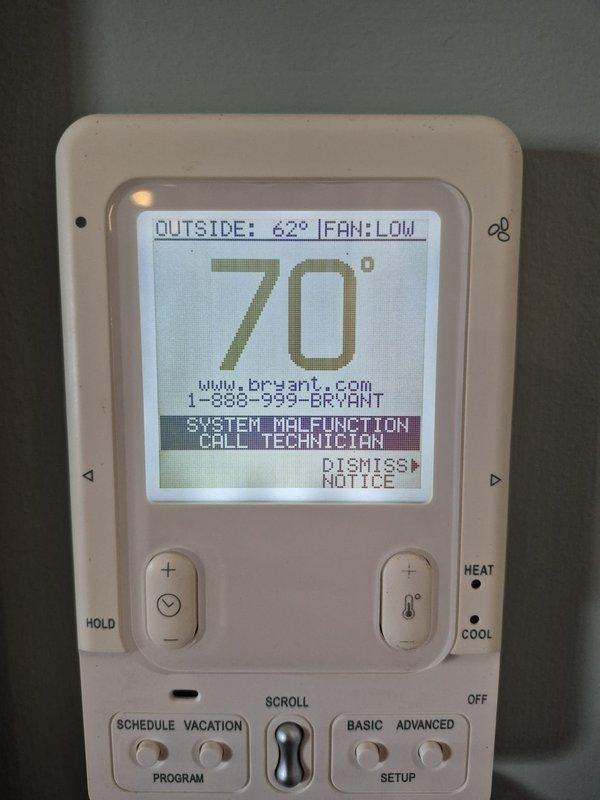
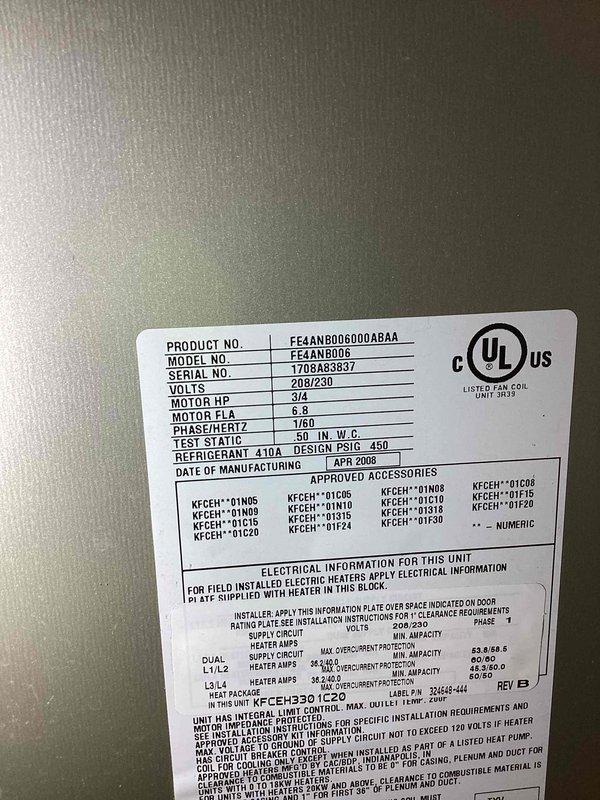
Responded to no cooling call on Bryant FE4ANB006 air handler system. Upon arrival, thermostat displayed "SYSTEM MALFUNCTION CALL TECHNICIAN" error message. System was turned off per customer request. Documented unit nameplate information showing 208/230V, 1-phase, R-410A refrigerant system. Customer advised of diagnostic fee and declined service at this time.
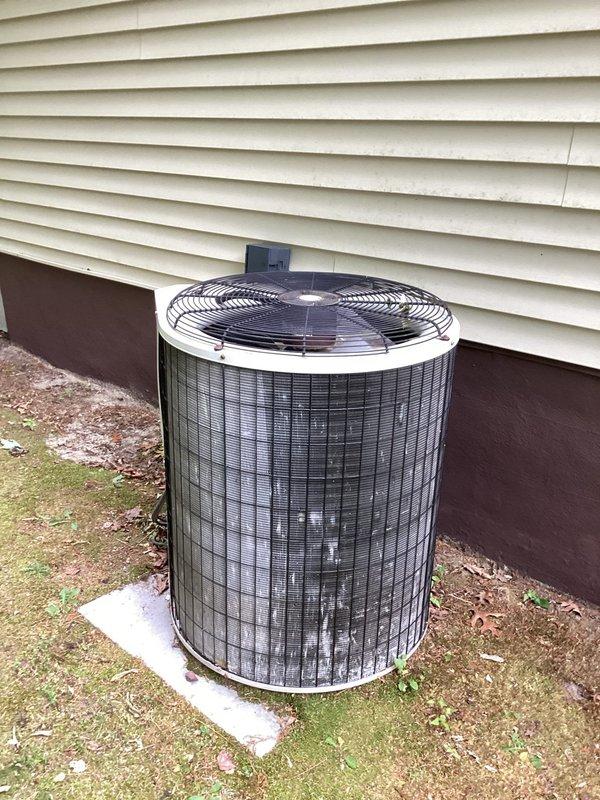
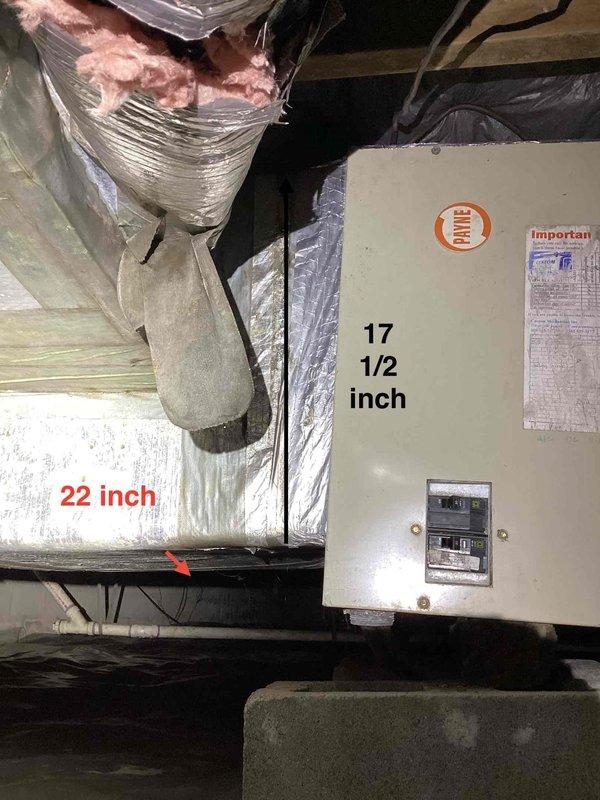
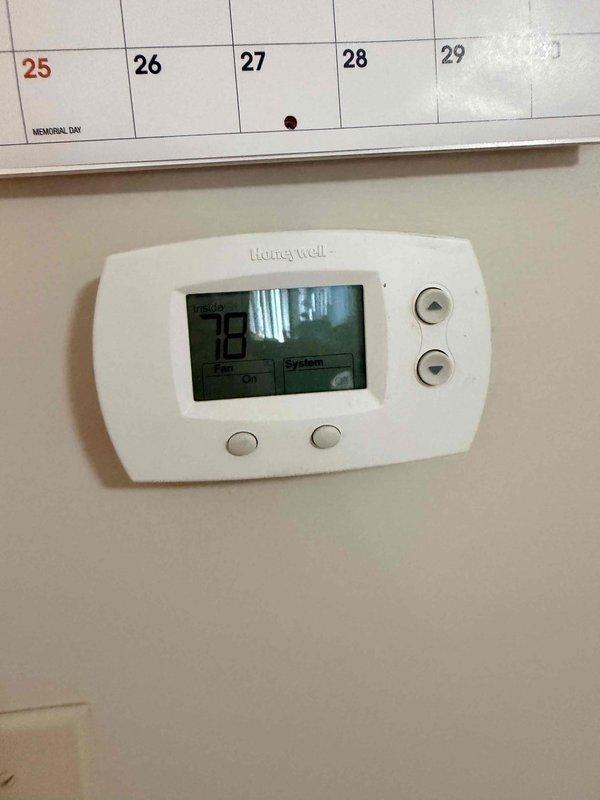
Responded to no cooling call on Payne system with Honeywell T6 thermostat reporting unit running constantly. Upon arrival, found outdoor condenser unit operational and indoor air handler accessible in attic space. Performed system diagnostics including thermostat operation, electrical connections, and airflow verification. Inspected 17.5-inch air handler unit and ductwork installation, checking for proper cycling and temperature differential. System evaluated for thermostat malfunction as potential cause of continuous operation issue.
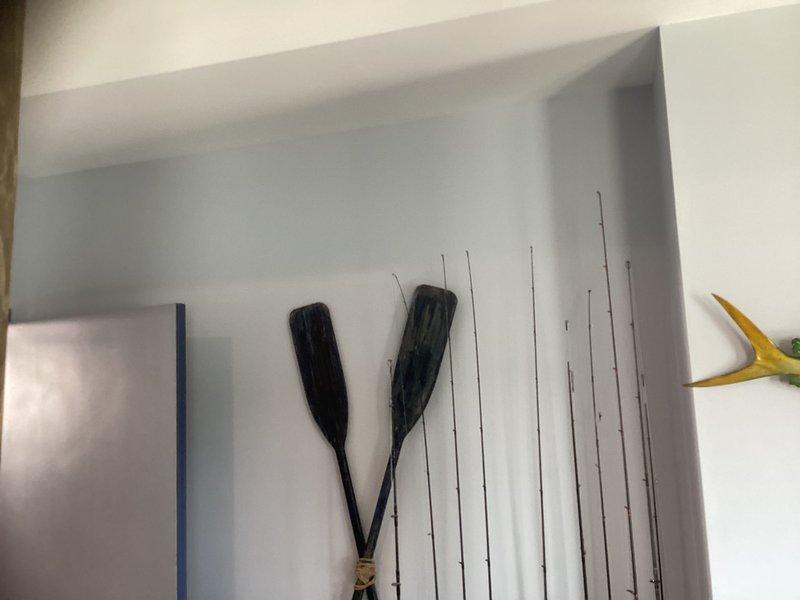
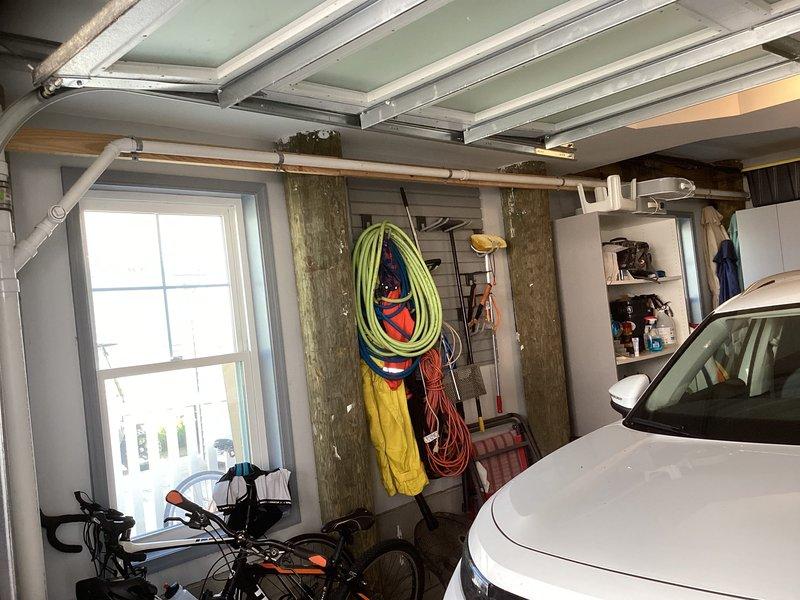

Conducted site assessment for mini split installation in detached garage storage area. Evaluated electrical requirements, mounting locations, and condensate drainage options for climate control system in approximately 150-200 square foot space currently used for recreational equipment storage. Documented existing conditions including structural support posts, overhead garage door mechanisms, and available wall space to determine optimal placement for indoor air handler unit and outdoor condenser location.
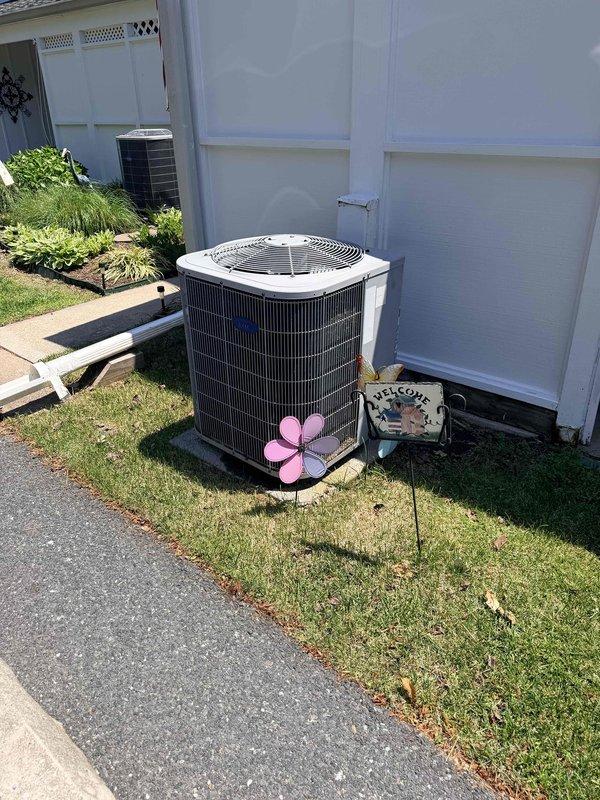
Inspected residential HVAC system and discovered oil stains on the evaporator coil indicating a potential refrigerant leak. Homeowner declined nitrogen pressure test to confirm leak location. System is out of warranty, and homeowner requested replacement estimate for complete HVAC system upgrade.